
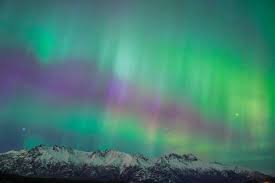
Aurora Forecast: How to Predict and Witness the Magic of the Northern Lights
There is perhaps nothing more breathtaking than seeing the night sky ignite with ribbons of green, purple, and red. For many in Canada and around the world, tracking the aurora forecast is the first step toward experiencing the ethereal beauty of the Aurora Borealis (the Northern Lights).
But how do you actually know when the lights will appear? It isn’t just about luck; it’s about understanding space weather. In this guide, we will break down how to read forecasts and where to go for the best experience.
Understanding the Aurora Forecast: What is the KP Index?
When you check an aurora forecast, you will likely encounter the KP Index. This is a scale from 0 to 9 that measures geomagnetic activity. The higher the number, the stronger the geomagnetic storm and the further south the lights can be seen.
- n
- KP 0-2: Low activity. The aurora is mostly visible in the far north (Yukon, NWT, Nunavut).
- KP 3-5: Moderate activity. The lights may be visible in southern Canada and the northern US.
- KP 6-9: High activity (Geomagnetic Storm). The aurora can be seen much further south, often creating vivid and dynamic displays.
To get real-time data, many enthusiasts rely on the NOAA Space Weather Prediction Center, which provides the gold standard for solar wind and geomagnetic alerts.
Best Locations in Canada for Aurora Viewing
Canada is one of the premier destinations globally for aurora hunting. Depending on the aurora forecast, some spots are more reliable than others:
- Yellowknife, NWT: Known as the Aurora Capital of North America due to its clear skies and prime location under the “aurora oval.”
- Whitehorse, Yukon: Offers stunning landscapes that provide a perfect backdrop for nighttime photography.
- Churchill, Manitoba: A unique spot where you can potentially see polar bears and the Northern Lights in the same trip.
- Jasper and Banff, Alberta: While further south, these dark-sky preserves are fantastic during high KP events.
Pro Tips for Your Aurora Hunt
Knowing the forecast is only half the battle. To ensure a successful sighting, keep these tips in mind:
- Find True Darkness: Get away from city lights. Light pollution is the enemy of the aurora.
- Check the Cloud Cover: A high KP index means nothing if the sky is overcast. Use a reliable weather app to ensure clear skies.
- Dress in Layers: Canadian nights are brutal. Wear thermal base layers, wool socks, and a heavy parka.
- Use Long Exposure: Your eyes may see a faint glow, but a camera can capture the vivid colours. Use a tripod and a slow shutter speed.
For more detailed tracking, we recommend visiting SpaceWeather.com to monitor solar flares and coronal mass ejections (CMEs) that trigger the most intense displays.
Final Thoughts
Watching the Northern Lights is a bucket-list experience that blends science and art. By keeping a close eye on the aurora forecast and heading to the right Canadian wilderness, you can witness one of nature’s most spectacular light shows.



