Imagine being 15 years old, not just attending concerts, but touring with legendary rock bands, interviewing your idols, and writing cover stories for Rolling Stone magazine. This wasn’t a teenage fantasy; it was the extraordinary reality of Cameron Crowe, a name synonymous with both groundbreaking music journalism and iconic filmmaking.
In a career spanning decades, Crowe has gifted us with unparalleled glimpses into the heart of rock and roll and some of cinema’s most beloved stories. His journey from an inquisitive, music-obsessed teenager to a celebrated film director is nothing short of inspirational, offering a unique perspective on the eras he lived through.
The Prodigy on the Road: A Young Journalist’s Rise
Crowe’s astonishing career began at an age when most are still navigating high school hallways. Propelled by an insatiable curiosity and an innate ability to connect, he quickly ascended the ranks of music journalism. By 15, he was a regular contributor to Rolling Stone, securing interviews with artists who rarely granted access, let alone to a kid.
- Unprecedented Access: Cameron Crowe found himself backstage with giants like Black Sabbath, the Eagles, Fleetwood Mac, Joni Mitchell, and even Led Zeppelin. His genuine enthusiasm and insightful questions earned him the trust of these often-elusive musicians.
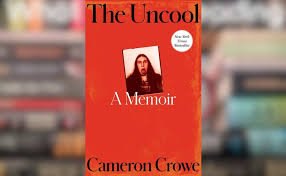
- A Different Era: His candid recollections, beautifully captured in books like The Uncool, transport readers to a bygone era of music, where the lines between journalist and confidante often blurred. He wasn’t just reporting; he was living the rock and roll dream alongside the legends.
- Early Encounters: From sneaking an interview with Black Sabbath at 15 to spending weeks with David Bowie and living with Glenn Frey and Don Henley during the genesis of Eagles’ hits, Crowe’s early years were an intimate chronicle of music history in the making.
His writing wasn’t just factual; it was imbued with the wonder and perspective of a young man experiencing these seismic cultural shifts firsthand. This unique voice set him apart and made him an indispensable chronicler of the 70s music scene. For more on his journalistic work, explore Rolling Stone Magazine archives.
From Backstage Pass to Silver Screen: Crowe’s Filmmaking Legacy
At just 21, after years immersed in the adult world of rock, Crowe recognized he’d skipped a crucial part of his own youth. This realization led him to enroll undercover in a high school, a formative experience that would become the basis for his iconic book and subsequent 1982 film, Fast Times at Ridgemont High.
This marked a pivotal shift from journalism to filmmaking, where Cameron Crowe continued to tell deeply human stories, often infused with his signature blend of humor, heart, and a killer soundtrack. His filmography boasts some truly memorable titles:
- Say Anything… (1989): A critically acclaimed romantic dramedy starring John Cusack and Ione Skye, known for its enduring cultural impact and unforgettable boombox scene.
- Singles (1992): A quintessential snapshot of the Seattle grunge scene, capturing the zeitgeist of a generation with a stellar cast and an equally stellar soundtrack.
- Jerry Maguire (1996): A commercial and critical success that gave us iconic lines and further solidified Crowe’s reputation as a master storyteller.
- Almost Famous (2000): Perhaps his most personal work, this cult classic is a semi-autobiographical ode to his early years as a teenage journalist on tour with a rock band, earning him an Academy Award for Best Original Screenplay.
Each film, much like his journalism, offers an authentic look into specific subcultures and human experiences, making Cameron Crowe a beloved figure in cinema. You can explore his full filmography on IMDb.
The Uncool: A Deep Dive into Music History and Personal Reflections
While his films are widely celebrated, Crowe’s roots as a music journalist are beautifully encapsulated in The Uncool. This isn’t just a collection of interviews; it’s a profound journey through his formative years, filled with anecdotes, reflections, and the wisdom imparted by his remarkable mother, Alice.
“I’d jumped into the ocean of adulthood and ultimately got caught in a riptide…I skipped too many grades. I skipped adolescence. I’d traded it for a backstage pass.” — Cameron Crowe
The book shines a light on how he navigated the world of rock and roll, often with a maturity beyond his years, yet still retaining the wide-eyed wonder of a teenager. His ability to recall the nuances of meeting legends like Bruce Springsteen or the sheer joy of living with future Eagles members is captivating.
Alice, his intelligent and charismatic mother, remains a guiding light throughout, her famous aphorisms (‘Turn every loss into a victory,’ ‘Count your blessings! Leave the funeral.’) peppered throughout the narrative, providing both comic relief and deep wisdom. These personal touches, combined with the name-dropping antics (his delightful prank calls to Cary Grant!), make The Uncool an enthralling read for any music aficionado.
It’s an intimate look at how music moves us, brings us together, and shapes our memories. For more details on the book and Cameron Crowe‘s extensive work, visit TheUncool.com.
A Timeless Legacy
Cameron Crowe‘s journey is a testament to passion, talent, and the power of storytelling. Whether through his penetrating interviews with rock gods or his heartfelt narratives on screen, he consistently offers us a backstage pass to the human experience. His work reminds us that the best stories, like the best songs, resonate deeply and stay with us long after the final note or credit roll.
His unique perspective as both an insider and an observer has cemented his place as an enduring voice in both music and cinema, making him a true cultural treasure.