Understanding Inflation: Causes, Effects, and How to Protect Your Finances
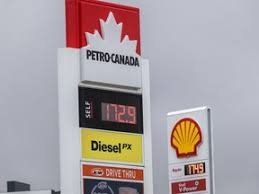
Inflation. It’s a word we’re hearing a lot these days, and for good reason. From grocery bills to gas prices, the cost of living is on the rise. But what *is* inflation, really? And more importantly, what can you do about it? This guide breaks down the complexities of inflation, exploring its causes, effects, and actionable strategies to protect your financial well-being.
What Causes Inflation?
At its core, inflation is a decrease in the purchasing power of money. Simply put, your dollar buys less than it used to. Several factors can contribute to this:
- Demand-Pull Inflation: This occurs when there’s too much money chasing too few goods. Increased consumer demand, often fueled by government stimulus or low interest rates, can drive prices up. Think of a popular toy during the holidays – limited supply and high demand lead to price increases.
- Cost-Push Inflation: This happens when the costs of production for businesses increase. Rising energy prices, raw material costs, or wages can force companies to raise prices to maintain profitability. The recent surge in oil prices is a prime example.
- Built-In Inflation: This is a self-perpetuating cycle where people expect inflation to continue, so they demand higher wages, which in turn increases production costs and prices.
- Supply Chain Disruptions: As we’ve seen recently with global events, disruptions to supply chains can limit the availability of goods, leading to higher prices. This is a significant contributor to current inflationary pressures.
The Effects of Inflation
Inflation impacts everyone, but some are more vulnerable than others. Here’s how it affects different aspects of your financial life:
- Reduced Purchasing Power: Your money simply doesn’t go as far. Everyday expenses become more expensive.
- Erosion of Savings: The real value of your savings decreases over time if the inflation rate is higher than the interest rate you’re earning.
- Increased Borrowing Costs: Central banks often raise interest rates to combat inflation, making loans more expensive.
- Impact on Investments: Inflation can affect the returns on various investments, particularly fixed-income securities.
- Uncertainty and Economic Instability: High and unpredictable inflation can create economic uncertainty and hinder business investment.
How to Protect Your Finances from Inflation
While you can’t completely eliminate the effects of inflation, you can take steps to mitigate its impact. Here are some strategies:
- Invest in Inflation-Protected Securities: Consider Treasury Inflation-Protected Securities (TIPS) or I Bonds, which are designed to keep pace with inflation.
- Diversify Your Investments: Don’t put all your eggs in one basket. A diversified portfolio can help cushion the blow of inflation.
- Consider Real Assets: Investments like real estate and commodities often perform well during inflationary periods.
- Reduce Debt: Paying down debt, especially high-interest debt, can free up cash flow and reduce your financial burden.
- Negotiate Salary Increases: Advocate for a raise that keeps pace with the rising cost of living.
- Budget and Track Expenses: Knowing where your money is going can help you identify areas where you can cut back.
- Explore High-Yield Savings Accounts: Look for savings accounts offering competitive interest rates to help your money grow faster. You can compare rates at Bankrate.
Inflation is a complex economic phenomenon, but understanding its causes and effects is crucial for protecting your financial future. By taking proactive steps, you can navigate these challenging times and safeguard your hard-earned money. For further information, the
Investopedia definition of inflation is a great resource.