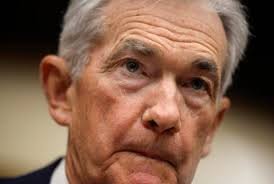
Treasury Secretary Janet Yellen recently issued a cautionary note regarding the strength of the US dollar, sparking debate among economists and investors alike. Her warning isn’t about a desire to weaken the dollar, but rather a recognition of the complex consequences its current trajectory has on the global landscape. This article delves into the specifics of Yellen’s statement, explores the factors driving the dollar’s appreciation, and analyzes the potential ramifications for international trade, emerging markets, and investment strategies.
What Did Yellen Actually Say?
During a recent interview, Yellen acknowledged that a strong US dollar can create challenges for the global economy. While she emphasized that a strong dollar is generally a reflection of the US economy’s relative strength, she also pointed out that it can lead to difficulties for countries that have dollar-denominated debt. Essentially, a stronger dollar makes it more expensive for these nations to repay their debts. She also noted potential negative impacts on US exports, making them more expensive for foreign buyers.
Why is the US Dollar So Strong?
Several factors are contributing to the dollar’s current strength. Primarily, the Federal Reserve’s aggressive interest rate hikes to combat inflation have made US dollar-denominated assets more attractive to investors. Higher interest rates typically draw capital inflows, increasing demand for the dollar. Furthermore, the US is often seen as a ‘safe haven’ asset during times of global economic uncertainty, like the ongoing geopolitical tensions in Ukraine and concerns about a potential global recession. This ‘flight to safety’ further boosts demand for the dollar. You can find more information on these factors at the Federal Reserve’s website.
The Global Impact: Who Feels the Pinch?
The consequences of a strong dollar are far-reaching. Emerging markets with significant dollar-denominated debt are particularly vulnerable. As the dollar appreciates, their debt burden increases, potentially leading to financial instability. This can trigger capital flight, further weakening their currencies and economies. Additionally, a strong dollar can hurt US multinational corporations by reducing the value of their overseas earnings when converted back into dollars. It also makes US exports less competitive, potentially impacting economic growth. The International Monetary Fund (IMF) has consistently warned about the risks associated with a rapidly appreciating US dollar.
What Does This Mean for Investors?
For investors, Yellen’s warning suggests a need for caution and diversification. A strong dollar can benefit US consumers through cheaper imports, but it also creates headwinds for certain sectors of the economy. Consider these potential strategies:
- Diversify your portfolio: Don’t put all your eggs in one basket. Invest in a mix of assets, including international stocks and bonds.
- Consider currency hedging: For investors with significant international exposure, currency hedging can help mitigate the risks associated with exchange rate fluctuations.
- Focus on value stocks: Companies with strong fundamentals and reasonable valuations may be better positioned to weather economic uncertainty.
- Monitor emerging markets: Keep a close eye on emerging markets, as they are particularly vulnerable to a strong dollar.
Ultimately, understanding the dynamics driving the US dollar’s strength and its potential consequences is crucial for making informed investment decisions. Staying informed about economic trends and seeking professional financial advice can help you navigate these challenging times.