
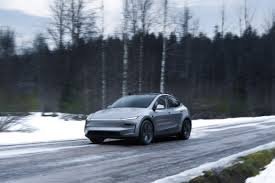
Norway’s Electric Revolution: Why Newest Electric Cars Are Setting Records
Norway continues to solidify its reputation as the global leader in electric vehicle adoption. November 2024 witnessed an astounding surge in registrations, with newest electric cars making up an unprecedented share of the market. This remarkable trend isn’t just a temporary peak; it reflects a deep-seated shift in consumer preferences and strategic governmental support. Let’s delve into the record-breaking numbers, the forces driving this electric revolution, and the key players dominating the burgeoning EV landscape.
An Electrifying November: Unpacking the Record Sales
November 2024 was nothing short of historic for Norway’s automotive sector. The country registered an astonishing 19,427 new electric vehicles (EVs), dwarfing the mere few hundred non-electric cars added to its roads. This surge propelled the share of electric vehicles in all new passenger car registrations to a staggering 97.6% – a figure that, while close to the yearly average, represents an absolute volume far beyond typical for Norway.
Compared to October’s 10,852 EVs and last year’s November total of 10,940 EVs, this month saw an increase of over 8,500 units, signaling a monumental shift in the market dynamics for newest electric cars. The Road Traffic Information Council (OFV) described November as a “record-breaking” month, noting that the 19,899 total new registrations marked the strongest sales month of the year and one of the strongest in Norwegian new car sales ever. With gasoline, diesel, and hybrid powertrains now accounting for less than 1% of the market, Norway is truly paving the way for a fully electrified future. For more insights into global EV trends, check the IEA Global EV Outlook.
What’s Driving Norway’s EV Boom?
Several factors converged to create this unprecedented market surge. According to the OFV, consumers were highly motivated by a combination of:
- Anticipated Tax Changes: Proposed tax adjustments for the new year encouraged many to accelerate their purchases, securing vehicles under current, more favorable conditions.
- Attractive Discount Campaigns: Automakers offered compelling deals, making newest electric cars even more accessible.
- Improved Vehicle Availability: Better supply chains led to a wider selection of affordable electric models on the market.
- Gradual Economic Recovery: A stronger economic outlook provided consumers with greater purchasing power and confidence.
Geir Inge Stokke, OFV Managing Director, emphasized the role of policy uncertainty: “When the budget has not been finalized and the minimum tax deduction is unclear, many people choose to secure a new car under current conditions. We see this clearly in the figures, and we must expect high registration activity in December as well.” This highlights the strategic importance of government incentives in driving EV adoption, as reported by outlets like Reuters on Norway’s EV leadership.
Tesla’s Unstoppable Rise: An American Giant Dominates
While many brands experienced growth, one name stood head and shoulders above the rest: Tesla. The US-based automaker achieved an astounding 31.2% market share, with 6,215 new registrations – meaning nearly one in three newest electric cars sold in Norway hailed from Tesla. This was the company’s strongest month in years.
Tesla’s annual performance is equally impressive. With 28,606 new vehicles registered so far in 2025, Tesla has already shattered its own annual record from 2023 (26,641 vehicles) and surpassed Volkswagen’s previous record from 2016 (26,572 vehicles). With strong sales expected in December, Tesla is poised to comfortably exceed the 30,000 mark for the year, cementing its position as the undisputed leader in Norway’s EV market.
The Contenders: Other Brands Making Their Mark
Following Tesla, other prominent brands also demonstrated solid growth. Volkswagen (2,198 vehicles), Volvo (1,867), and BMW (1,104) rounded out the top of the brand rankings. This competitive landscape highlights the global shift towards electrification, even in a market already dominated by EVs. Chinese brands like BYD, MG, and XPeng, while not topping the charts in November, have shown clear volume growth throughout 2025, with several models gaining traction in the mid-size SUV segment, further diversifying the choices for newest electric cars.
Top Models: Which Electric Cars Are Norwegians Buying?
Unsurprisingly, the Tesla Model Y leads the charge as the most popular newest electric car. However, an interesting detail emerged: while the mid-sized SUV often drives Tesla’s success, only 3,648 units appeared in Norway’s November statistics. This is because the Tesla Model 3 followed closely behind with a robust 2,562 new registrations, indicating strong demand across Tesla’s lineup.
The competition among other models remains fierce, with several other newest electric cars vying for consumer attention:
- Volvo EX40 (916 registrations)
- VW ID.4 (892 registrations)
- VW ID.7 (780 registrations)
- Volvo EX30 (774 registrations)
- Ford Explorer (508 registrations)
- Skoda Elroq (486 registrations)
- Skoda Enyaq (420 registrations)
- BMW iX1 (418 registrations)
This diverse list showcases the broad appeal of various EV models, from compact SUVs to sedans, catering to different consumer needs and preferences in the rapidly evolving market for newest electric cars.
Norway’s Blueprint for a Green Automotive Future
Norway’s November figures offer a compelling glimpse into the future of automotive transportation. The country’s aggressive push towards electrification, coupled with a receptive consumer base and strategic incentives, has created a blueprint for other nations to follow. As the global automotive industry continues its pivot towards sustainability, the lessons learned from Norway’s successful adoption of newest electric cars will be invaluable in accelerating the transition to a cleaner, greener future on roads worldwide.



