USS Gerald R. Ford: A Test of Endurance and Naval Power
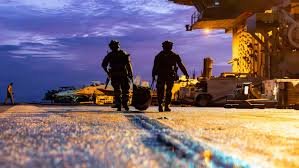
In mid-March, a fire aboard the USS Gerald R. Ford, the United States’ largest and most advanced aircraft carrier, highlighted the challenges faced by the ship and its crew during an exceptionally long deployment. The incident, occurring in the eastern Mediterranean Sea while the ship was actively launching aircraft amidst escalating tensions, underscores the strain placed on naval assets in a complex geopolitical landscape.
A Deployment Marked by Trials
The blaze, which broke out in the laundry department, took a dedicated 30 hours to extinguish, repair, and secure, resulting in approximately 600 sailors temporarily displaced from their living quarters. This incident is just the latest in a series of hurdles for the Ford, which is on track to surpass the record for the longest aircraft carrier deployment since the Vietnam War.
The USS Gerald R. Ford has been at the forefront of President Trump’s foreign policy initiatives, playing a key role in operations ranging from the situation in Venezuela to the ongoing conflict with Iran. Despite a campaign platform that questioned US involvement in foreign wars, the administration’s first year saw an increase in military operations, with the Ford consistently deployed to critical regions.
A Whirlwind of Missions
The ship’s journey has been anything but routine. From traversing the Atlantic and conducting exercises in Norway, to a swift deployment to the Caribbean in response to the Venezuelan crisis, and then urgently repositioning to the Middle East, the Ford has been constantly in motion. A brief stop for toilet repairs only added to the narrative of a deployment demanding constant attention and resourcefulness.
Impact on Sailors and Families
The extended deployment is taking a toll on the sailors and their families. Amini Osias, father of a crew member aboard the Ford, expressed the constant anxiety experienced by loved ones. “It’s constant uncertainty that we live on a daily basis,” he shared with CNN, highlighting the emotional burden of having a family member deployed in a high-risk environment. The downing of a US fighter jet by Iranian forces further amplified these fears.
Questions of Sustainability and Future Conflicts
The challenges faced by the Ford raise broader questions about the sustainability of long deployments and the Navy’s preparedness for potential future conflicts, particularly with China in the Pacific. While the $13 billion ship represents the pinnacle of US naval technology, even the most advanced vessels are susceptible to wear and tear during extended operations. Minor issues, such as fraying arresting cables and saltwater intrusion, can compound over time, increasing the risk of mishaps. USNI News reports on the growing maintenance backlog facing the Navy.
A Symbol of Strength and Limitations
Despite the challenges, the USS Gerald R. Ford remains a vital asset. Brent Sadler, a former Navy officer, emphasizes that without the Ford, maintaining an operational presence and staying ahead of potential adversaries would be significantly more difficult. The ship’s advanced electronic catapult system, a capability not shared by other US aircraft carriers, provides a unique advantage in projecting power.
Morale and Support Onboard
Recognizing the strain on the crew, the Navy has implemented innovative support measures. Sage, a female Labrador retriever serving as a therapy dog, has been onboard since 2023. Her role, facilitated by Mutts with a Mission, is to reduce stress, improve morale, and encourage sailors to seek mental health support. Sage’s presence is a testament to the Navy’s commitment to the well-being of its personnel.
Addressing Sailor Burnout and Retention
However, the Navy is also grappling with broader issues of sailor burnout and retention. High attrition rates among aviation personnel are prompting the Department of Defense to review retention strategies and offer substantial bonuses to retain skilled pilots and officers. The uncertainty surrounding deployments and the lengthy certification process contribute to these challenges. The Department of Defense is actively working to address these concerns.
Looking Ahead
While the end of the current deployment is in sight, the experiences of the USS Gerald R. Ford’s crew serve as a valuable lesson. The ship’s journey highlights the demands placed on naval personnel and the importance of prioritizing their well-being. As the Navy prepares for future challenges, ensuring the resilience and readiness of its sailors will be paramount.