White House on Alert: Scrutiny Intensifies Over Prediction Market Trading
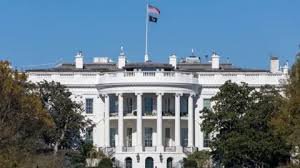
The White House issued a warning to its staff last month regarding the use of non-public information for betting on prediction markets. This internal communication, sent on March 24th, followed President Trump’s announcement of a temporary pause in potential attacks on Iranian power plants and energy infrastructure. The email addressed concerns raised in press reports about government officials potentially exploiting privileged information on platforms like Kalshi and Polymarket.
Concerns Over Insider Trading and Ethical Guidelines
White House spokesperson Davis Ingle dismissed the allegations as “baseless and irresponsible reporting,” emphasizing that all federal employees are bound by strict government ethics guidelines prohibiting the use of insider information for personal financial gain. “The only special interest that will ever guide President Trump is the best interest of the American people,” Ingle stated.
The Wall Street Journal initially reported on the internal memo. This incident highlights a growing concern about the potential for abuse within the rapidly expanding prediction market sector.
Polymarket Under Fire: Past Controversies
Polymarket faced scrutiny earlier this year when a gambler reportedly earned nearly $500,000 by correctly predicting the capture of Venezuelan President Nicolás Maduro shortly before the official announcement. The identity of the bettor remains unknown, obscured behind a blockchain identifier. This raised questions about whether the individual had access to non-public information regarding the US military operation. You can learn more about blockchain technology here.
The Explosive Growth of Prediction Markets
Prediction markets have experienced significant growth in the past year, now hosting over $44 billion (£33 billion) in trades. While sports events remain a popular focus, these platforms allow users to wager on a wide range of outcomes, including interest rate decisions by the US central bank and the results of local elections. This increasing popularity has sparked debate about the need for robust regulation.
Calls for Regulation and Legislative Action
US Congressman Ritchie Torres, a Democrat on the House Financial Services Committee, recently urged the Commodity Futures Trading Commission (CFTC) to investigate “suspicious” trading activity within prediction markets. The CFTC regulates derivatives trading, which encompasses these platforms.
Furthermore, Democratic leaders have proposed legislation to outright ban betting on war or military action related to prediction markets. Senator Andy Kim of New Jersey argued, “Corruption and exploitation are thriving right now within the gaps and loopholes of prediction markets. This manipulation leaves the select few winning big, at the expense of working Americans.”
The Future of Prediction Markets
The debate surrounding prediction markets centers on balancing innovation with the need to prevent abuse and maintain market integrity. As these platforms continue to evolve, regulatory frameworks will likely adapt to address emerging challenges and ensure fair practices. The increasing volume of trades and the potential for significant financial gains necessitate careful oversight to protect investors and maintain public trust.
Copyright 2026 BBC. All rights reserved.