
St Andrew’s Day Marks a Historic Milestone: Gaelic and Scots Gain Official Recognition in Scotland
This St Andrew’s Day, Scotland is celebrating a profound moment in its cultural history. In a move that champions the nation’s unique linguistic heritage, both Gaelic and Scots have been officially recognized as national languages. This significant legislative change, ushered in by the new Scottish Languages Act, is set to invigorate Scotland’s identity and foster deeper connections with its rich past.
A Landmark Act for Scottish Languages
The journey to this historic recognition culminated in the Scottish Parliament this June, following its introduction on St Andrew’s Day in 2023 and Royal Assent in August 2025. The Scottish Languages Act is far more than a symbolic gesture; it’s a comprehensive framework designed to secure the future of these vital languages. Key provisions include:
- Empowering Communities: Parents will now have the statutory right to request the establishment of Gaelic schools in their local areas, decentralizing language education and making it more accessible.
- Expanding Qualifications: The Act aims to significantly increase the availability of qualifications in Gaelic, opening new educational and career pathways for speakers.
- Research and Standards: Ministers are now empowered to commission dedicated research into the use and vitality of both Gaelic and Scots, and to establish robust teaching standards to ensure high-quality language instruction.
Celebrating Scotland’s Identity on St Andrew’s Day
Scotland’s Deputy First Minister, Kate Forbes, aptly described this as a “historic milestone.” She emphasized that there was no more fitting day than St Andrew’s Day—a time traditionally dedicated to celebrating Scottish identity and heritage—to formally acknowledge the crucial role these languages play. “This is a historic milestone which acknowledges the vital place these languages hold in Scotland’s culture and heritage,” Forbes stated, underscoring the deep cultural roots of Gaelic and Scots.
The Scottish government has already demonstrated its commitment, allocating a substantial £35.7 million this year to various Gaelic and Scots initiatives. This funding is crucial for supporting the Act’s ambitions and ensuring the practical implementation of its goals.
Fostering Growth and Linguistic Communities
Beyond education and research, the Scottish Languages Act introduces measures to support linguistic growth within communities themselves. One notable aspect is the support for creating “areas of linguistic significance” within Gaelic-speaking communities. This strategic approach allows ministers to tailor policies and resources more effectively, directly addressing the unique needs and opportunities for language development in these regions.
For more detailed information on Gaelic language development, you can visit the official Bòrd na Gàidhlig website.
The Resurgence of Gaelic and Scots
Recent census statistics highlight a promising trend in the revitalization of both languages. Data from 2022 reveals a significant increase in the number of speakers since 2011:
- Gaelic Speakers: 130,161 people reported some Gaelic skills in 2022, a notable increase of 43,105 from 2011.
- Scots Speakers: An impressive 2,444,659 people in Scotland reported some Scots skills in 2022, marking an increase of 515,215 since 2011.
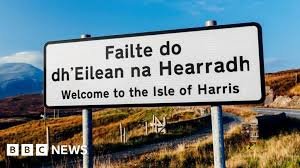
Geographically, Na h-Eileanan Siar (Western Isles) continues to be the stronghold for Gaelic, with an astounding 57.2% of its population possessing some Gaelic skills. This significantly surpasses other areas like Highland (8.1%) and Argyll and Bute (6.2%), underscoring the importance of targeted support for such concentrated linguistic communities.
A Vibrant Future for Scotland’s Linguistic Heritage
The official recognition of Gaelic and Scots on St Andrew’s Day is a powerful testament to Scotland’s dedication to preserving and promoting its rich linguistic heritage. This Act lays the groundwork for a future where these languages not only survive but thrive, woven into the fabric of everyday life, education, and national identity. It’s a celebration not just of languages, but of the soul of a nation.
What are your thoughts on this historic development? Share your comments below!



