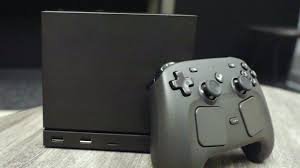
The Curious Case of Steam Machine Pricing: What Went Right (and Wrong)?
In the mid-2010s, Valve, the mastermind behind the ubiquitous Steam platform, unveiled an ambitious project: the Steam Machines. These devices promised to bridge the gap between traditional gaming consoles and powerful PC gaming, bringing the vast Steam library directly to your living room. The concept was revolutionary, but how did Steam Machine pricing factor into their ultimate fate?
The Vision: Console Simplicity Meets PC Power
The idea was compelling: a dedicated, sleek device running SteamOS (a Linux-based operating system) that would offer an optimized gaming experience, free from the complexities of a desktop PC. Valve partnered with various hardware manufacturers, from Alienware to Zotac, to produce a range of these machines. This diverse manufacturing approach meant a wide spectrum of specifications and, consequently, varying Steam Machine pricing.
Initial Pricing Expectations vs. Reality
Many gamers harboured hopes that Steam Machines would arrive with console-comparable price tags, perhaps in the CAD $400-$600 range, making them an attractive alternative to PlayStation and Xbox. However, the reality was often different. While some entry-level models did dip below the $500 mark, many more capable configurations soared well past $700, with some reaching over $1,000 for high-end components. This created a significant challenge:
- For Console Gamers: The higher price point was a hard sell when traditional consoles offered plug-and-play simplicity for less money.
- For PC Enthusiasts: Those willing to spend over $700 often preferred building their own custom gaming PCs, which offered more flexibility, upgradeability, and often better performance per dollar.
The Pricing Paradox: Caught Between Two Worlds
The core issue with Steam Machine pricing was a paradox. They were often too expensive to compete directly with consoles on cost and ease of use, yet not powerful or flexible enough to fully satisfy the discerning PC gaming crowd who valued custom builds and cutting-edge performance. The promise of an open ecosystem was appealing, but the hardware prices, coupled with the nascent state of SteamOS game compatibility, made the value proposition unclear for many consumers.
As PC Gamer highlighted in retrospectives, the initial enthusiasm waned as the market struggled to find a sweet spot. Price adjustments and sales attempts were made, but the initial barrier to entry, combined with rapidly evolving PC hardware and the stability of console markets, proved difficult to overcome.
The Legacy: Paving the Way for the Steam Deck
While Steam Machines didn’t achieve widespread commercial success, their story isn’t one of complete failure. The lessons learned from their development, particularly regarding SteamOS optimization and hardware integration, proved invaluable. Valve continued to iterate on the concept of portable, Linux-based gaming hardware, which ultimately led to the wildly successful Steam Deck.
The Steam Deck, released years later, offers a compelling value proposition at a more accessible price point (starting around CAD $549 for the base model in Canada). It carries the spirit of the Steam Machines – bringing PC gaming into new form factors – but with a refined approach to hardware, software, and targeted gaming hardware prices.
Conclusion: A Pioneering Effort in Gaming Hardware
The journey of Steam Machine pricing offers a fascinating case study in the competitive world of gaming hardware. It demonstrates that innovation isn’t just about a good idea, but also about hitting the right market at the right price. While they may not have dominated living rooms, Steam Machines were a pioneering effort that significantly influenced the landscape of modern PC gaming, proving that Valve’s commitment to open platforms and diverse gaming experiences would ultimately find its stride in new, more successful forms.