Iran AWACS Aircraft: A Critical Blow to US Air Power
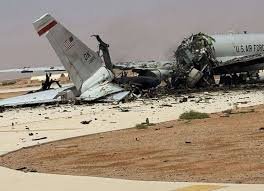
The recent destruction of a US Air Force E-3 Sentry Airborne Warning and Control System (AWACS) aircraft in an Iranian strike on a Saudi Arabian air base represents a significant setback for US surveillance capabilities in the region, according to analysts. Dramatic imagery, geolocated by CNN, reveals the extent of the damage – a broken tail and the radar dome, a crucial component of the AWACS, lying on the ground at Prince Sultan Air Base.
The Strategic Importance of the E-3 Sentry
CNN military analyst Cedric Leighton, a former US Air Force colonel, emphasized the severity of the loss, stating it’s “a serious blow to (US) surveillance capabilities.” The AWACS plays a vital role in controlling combat aircraft, directing them to targets, and protecting them from hostile engagements. For decades, the fleet of 17 E-3s and the US’s experience utilizing them have been a key advantage for Washington.
The E-3 AWACS is capable of monitoring up to 120,000 square miles of battlespace, from ground level to the stratosphere. It can simultaneously track around 600 targets – aircraft, missiles, drones, and even ground vehicles – providing real-time information to commanders, ships, and the Pentagon. Controllers aboard the AWACS can then direct interceptor jets or support ground troops.
Iran’s Targeted Approach and Potential Assistance
A recent report from the Center for a New American Security describes the AWACS as the “quarterback” of the battlefield, providing critical situational awareness and coordination. The loss of this asset is considered “indispensable” for US military operations.
Peter Layton, a former Royal Australian Air Force officer, highlights the increased detection time provided by airborne radars. An E-3 could detect an incoming Iranian Shahed drone 200 miles away approximately 85 minutes earlier than ground-based radar. Their mobility also makes them harder to target than fixed radar installations.
Analysts are questioning how the US allowed the E-3 to become vulnerable. Leighton points out that extraordinary measures are typically taken to protect the aircraft, including fighter escorts and avoiding overflight of hostile territory. He describes the loss on the ground as “a serious breach of our Force Protection efforts.”
There is speculation that Iran may have received assistance in targeting the E-3. Leighton suggests Russia may have provided geographic coordinates and satellite imagery. Kelly Grieco of the Stimson Center notes Iran’s selective targeting of high-value assets, including radar and satellite communications infrastructure, as part of a deliberate counter-air campaign.
Challenges and Future Implications
The US E-3 fleet is aging and limited in size. With only 17 aircraft, fewer than the number of B-2 bombers (20), the fleet is under strain. The first E-3 entered service in 1978, and the fleet has dwindled from 32 aircraft in 2015. Each aircraft costs approximately $540 million (in today’s dollars).
While other nations, including Saudi Arabia, France, and Chile, operate the E-3, and NATO maintains a joint force of 14, the US Air Force is actively seeking replacements. The US Navy operates the E-2 Hawkeye, a smaller airborne warning and control aircraft, but it’s not a direct substitute due to its limited crew size and lower altitude capabilities.
This incident underscores the growing challenges to US air power in the region and the increasing sophistication of Iranian military capabilities. The loss of the AWACS will undoubtedly require adjustments to US strategy and a renewed focus on force protection.
Further Reading: FlightGlobal – for detailed information on the world’s air forces.