Moon Phase Today: What You Can See in the Night Sky
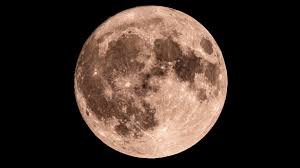
The Moon is currently in a beautiful phase, just a few nights away from being full. For skywatchers, this means there’s plenty to observe on its surface! As of Sunday, March 29th, the moon phase today is Waxing Gibbous, with approximately 85% of the Moon illuminated.
What Can You See Tonight?
Even without the aid of binoculars or a telescope, you can spot prominent features like the Serenitatis, Imbrium, and Vaporum Mares (seas). These dark, basaltic plains are easily visible as darker patches on the lunar surface.
Enhance Your View
- Binoculars: With a pair of binoculars, you’ll be able to discern the Mare Frigoris, the Archimedes Crater, and the Clavius Crater – adding more detail to your lunar observation.
- Telescope: For the dedicated observer, a telescope unlocks even more wonders. Enjoy a closer look at the majestic Caucasus Mountains, the historic Apollo 12 landing spot, and the intriguing Linne Crater.
When is the Next Full Moon?
If you’re in North America, mark your calendars! The next Full Moon is predicted to occur on April 1st. This will be a spectacular sight, offering maximum brightness and visibility.
Understanding the Lunar Cycle
The Moon doesn’t just magically change shape. It completes one orbit around Earth in roughly 29.5 days, cycling through eight distinct moon phases. While we always see the same side of the Moon, the amount of sunlight illuminating it changes as it orbits, creating the familiar phases we observe.
The Eight Lunar Phases
- New Moon: The Moon is positioned between Earth and the Sun, rendering the side facing us dark and invisible.
- Waxing Crescent: A slender sliver of light appears on the right side (in the Northern Hemisphere), gradually growing each night.
- First Quarter: Half of the Moon is illuminated on the right side, resembling a half-moon.
- Waxing Gibbous: More than half of the Moon is lit, but it hasn’t yet reached full illumination.
- Full Moon: The entire face of the Moon is brightly lit and fully visible.
- Waning Gibbous: The Moon begins to lose light on the right side (Northern Hemisphere).
- Third Quarter (or Last Quarter): Another half-moon, but now the left side is illuminated.
- Waning Crescent: A thin sliver of light remains on the left side before disappearing again, leading back to the New Moon.
Want to learn more about the Moon and space exploration? Check out NASA’s official website for the latest updates and stunning imagery. You can also find detailed information about lunar phases on Time and Date’s Moon Phase Calendar.
Keep looking up and enjoy the beauty of the night sky!
Source: This article is inspired by reporting from Mashable.