
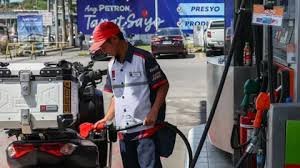
Philippines First to Declare National Energy Emergency Over Iran Conflict
The Philippines has taken a historic step, becoming the first country globally to declare a state of national energy emergency in response to escalating tensions and conflict in Iran. President Ferdinand Marcos Jr. signed an executive order aimed at safeguarding the nation’s energy security, citing the “imminent danger posed upon the availability and stability” of the country’s energy supply. This decision comes as the US-Israel conflict with Iran and the potential closure of the Strait of Hormuz – a vital global shipping route – send ripples of disruption through international energy markets.
Impact of the Conflict on Philippine Energy Supplies
The Philippines is heavily reliant on imported oil, with approximately 98% sourced from the Gulf region. Since the outbreak of hostilities on February 28th, the price of diesel and petrol within the country has more than doubled, creating significant economic hardship for citizens and businesses alike. The potential disruption to oil flow through the Strait of Hormuz, a critical artery for global energy transport, is a major concern. According to data, nearly 90% of all oil and gas passing through the waterway last year was destined for Asia, making the region particularly vulnerable.
Government Measures and Emergency Powers
President Marcos Jr.’s executive order grants the government the legal authority to implement measures designed to ensure energy stability and protect the broader Philippine economy. A committee has been established to oversee the orderly distribution of essential goods, including fuel, food, and medicines. The government is also empowered to directly procure fuel and petroleum products to bolster existing supplies. The declaration will remain in effect for one year, subject to potential extension or revocation by the President.
Calls for Action and Labour Concerns
The declaration follows mounting pressure from senators who urged President Marcos to acknowledge the “emergency-level” difficulties faced by Filipino families due to soaring oil prices. However, the move has not been without criticism. The Kilusang Mayo Uno (KMU), a prominent labour coalition, denounced the emergency declaration as an “admission” of the government’s failure to address the oil crisis effectively. They also accused the administration of initially downplaying the severity of the situation.
The KMU has also voiced concerns regarding what they describe as “anti-worker provisions” within the executive order, specifically clauses that could potentially restrict activities deemed disruptive to economic activity, including strikes. They fear this could limit workers’ ability to protest amidst the escalating fuel costs impacting their incomes.
Industry Support and Planned Protests
Despite the criticisms, prominent business leader Manuel V. Pangilinan, chairman of major utilities companies, has expressed support for the emergency powers. He acknowledged the strain rising energy costs are placing on businesses and warned of potential impacts on operations, stating the government “should have every option” available to navigate the challenging economic period.
However, widespread discontent remains. Transport workers and ride-hailing services are planning a two-day strike starting Thursday, reflecting broader anger over rising fuel costs and perceived government inaction. The Piston transport union coalition is demanding the scrapping of fuel taxes, a rollback of oil prices, the abandonment of deregulation in favour of state controls, fare increases, and higher wages.
Government Response and Future Outlook
In response to the crisis, the government has offered subsidies to transport drivers, reduced ferry services, and implemented a four-day work week for civil servants to conserve fuel. Energy Secretary Sharon Garin revealed the country currently has approximately 45 days of fuel supply remaining. She also indicated a temporary shift towards greater reliance on coal-fired power plants to meet energy needs, given the surging costs of liquefied natural gas (LNG).
While Iran has stated that “non-hostile” vessels can continue to use the Strait of Hormuz, the situation remains volatile. Market data indicated a rise in oil trade prior to US President’s announcement of postponed attacks on Iranian power plants. The potential deployment of US ground troops in the Gulf remains a key focus. Shell has also warned of potential oil shortages in Europe. The possibility of negotiations to end the conflict remains uncertain, with varying opinions within Iran itself.
Source: BBC News



