Live Nation CEO Defends Practices Amidst ‘Robbing Fans Blind’ Claims in Antitrust Trial
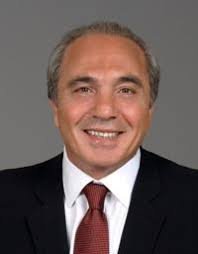
The CEO of Live Nation, Michael Rapino, testified on Thursday, vehemently defending the company’s practices amidst accusations of monopolistic behavior and exorbitant ticket fees. The testimony came during a civil antitrust trial brought by roughly two dozen states alleging that Live Nation, which owns Ticketmaster, is unfairly gauging customers through exclusive deals and inflated costs. The case centers around concerns that Live Nation leverages its dominance to stifle competition and maximize profits at the expense of concertgoers.
Facing Scrutiny Over Rising Fees
Rapino, who has led Live Nation since 2005, navigated a barrage of questions regarding the increasing burden of ticket fees, restrictive exclusivity agreements, and the company’s substantial profit margins across its venues, ticketing services, and advertising platforms. He often parried direct inquiries, defending the company’s business model.
Jeffrey Kessler, representing the states, pressed Rapino on the escalating fees fans have been forced to pay over the years, as well as complaints from artists regarding these fees and ticketing regulations. Kessler highlighted a 2016 email from Rapino himself, stating, “Our fees are too high we can’t defend them.” Rapino claimed he had no recollection of the email or its context.
Shocking Internal Messages Revealed
The trial took a particularly damning turn with the revelation of internal messages from Ben Baker, currently head of ticketing for Venue Nation (a Live Nation division). In a 2022 Slack message, Baker wrote about increasing premier parking fees, stating, “robbing them blind baby. That’s how we do.” A colleague responded with a simple “lol.”
Rapino condemned the exchange as “disgusting” and insisted it did not reflect the company’s operational standards. However, further messages surfaced, revealing Baker’s description of VIP area access fees as “f—ing outrageous,” adding, “these people are so stupid.” Baker previously testified, calling his remarks “indefensible” and explaining he was expressing shock at the amounts people were willing to pay. (Source: CNN)
Defending the Business Model
Rapino maintained that artists performing at Live Nation-owned venues have no alternative but to utilize the company’s promotional services. He acknowledged that fees for tickets, parking, food, beverages, and even lawn chairs at its amphitheaters ultimately come from fans’ pockets. When asked if he considered these fees “outrageous,” as Baker had described them, Rapino responded, “No.”
He also defended Ticketmaster’s 20% fee on secondary market ticket sales, arguing that he is the only one advocating for a cap on these sales, which he believes contradicts the accusations against the company.
The ‘Moat’ Around the Castle
Kessler questioned Rapino about a 2019 deposition where Rapino described Live Nation’s business model as having “an incredible moat around the castle.” Rapino explained that the “moat” refers to the company’s early adoption of integrating ticketing, venue ownership, and concert promotion – a strategy others have since replicated. He denied that the “moat” was a result of exclusivity deals restricting competition.
Can Live Nation Dictate Terms?
During cross-examination, a Live Nation attorney asked Rapino if the company could dictate terms to James Dolan, owner of Madison Square Garden, the Knicks, and the Rangers. Rapino emphatically stated, “Certainly not.”
The states are expected to rest their case next week, leaving the future of Live Nation and Ticketmaster’s dominance in the ticketing industry hanging in the balance. The outcome of this trial could have significant implications for the future of live event ticketing and the costs borne by consumers. Platforms like SeatGeek are closely watching the proceedings, as they represent potential alternatives in a market currently dominated by Live Nation.