Québec Solidaire’s Plan to Ease the Pain at the Pump for Quebecers
As Quebecers grapple with soaring gas prices, Québec Solidaire is proposing a direct rebate to help alleviate the financial burden on lower and middle-income families. The party argues that the current high cost of fuel disproportionately impacts those with limited financial resources.
Addressing the Financial Strain
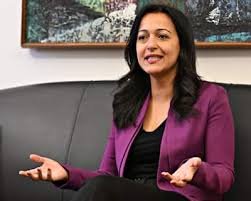
“The price at the pompe is very high right now, and it’s definitely hurting Quebecers,” stated Ruba Ghazal, co-spokesperson for Québec Solidaire, in an interview. “It’s especially hurting the wallets of those at the bottom of the economic ladder. It’s a lot of money out of these families’ pockets.”
Québec Solidaire’s proposal involves redistributing 20% of the revenue generated from the provincial fuel tax back to households with lower incomes. The party estimates this could provide between $100 and $475 per household annually, while Quebec works towards reducing its reliance on oil. This initiative directly addresses the pompe price impact on vulnerable populations.
Financial Implications and Eligibility
The estimated cost of this measure to the province is approximately $150 million. The aid would target individuals below the poverty line and those in the lower-middle class – potentially between 300,000 and 1.5 million households. The amount received by each household would decrease as the number of eligible households increases. Approximately 40% of the population, or those earning under $66,000 per year, could potentially benefit.
“We would urgently distribute this sum to those with the lowest incomes,” explained Ghazal. “Everyone is not equal when it comes to rising gas prices. A 30 or 40-cent increase per litre doesn’t have the same impact on a family or a single mother driving a minivan as it does on a CEO driving a luxury car.”
Why Not Cut the Gas Tax?
While other parties have suggested reducing or eliminating the gas tax, Québec Solidaire argues this is not a viable solution. They believe oil companies would simply raise prices to offset the tax reduction, negating any benefit to consumers. Furthermore, the revenue generated from the fuel tax is crucial for funding Quebec’s carbon market and supporting the province’s energy transition.
“It’s not all of the carbon market money that we would redistribute. We need it, because it’s very important. The real solution is to get out of our dependence on oil. It’s about starting our economic transition,” Ghazal asserted.
Implementation and Further Information
Ghazal believes the incoming Premier, to be appointed on April 12th, could quickly implement this measure. If you have information related to this story, you can reach out at [email protected] or call 1 800-63SCOOP.
Source: Journal de Québec