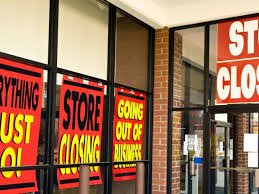
The recent wave of Safeway closures has left many shoppers concerned and wondering about the future of the grocery chain. Several stores across the United States have announced permanent shutdowns, sparking questions about the company’s strategy and the impact on local communities. This article delves into the reasons behind these Safeway store closures, identifies affected locations, and provides insights for consumers.
Why is Safeway Closing Stores?
Several factors contribute to the current Safeway closures. A primary driver is the increasing competition within the grocery industry. Companies like Walmart, Kroger, and Aldi are aggressively expanding their market share, often offering lower prices. Safeway, owned by Albertsons Companies, has been working to streamline operations and reduce costs to remain competitive.
Another significant factor is the shift in consumer shopping habits. The rise of online grocery delivery services, like Instacart and Amazon Fresh, has altered how people purchase groceries. Safeway has invested in its own delivery options, but it’s facing stiff competition from established players. Furthermore, economic pressures, including inflation and supply chain disruptions, are impacting profitability across the retail sector.
Which Safeway Locations are Closing?
The Safeway closures are not concentrated in a single region. Affected stores are scattered across several states, including California, Oregon, Washington, and Colorado. Specific locations announced for closure include stores in areas where the company has overlapping locations or where performance has been consistently below expectations.
- California: Several stores in the Bay Area and Southern California have been affected.
- Oregon: Closures have been reported in Portland and surrounding areas.
- Washington: Stores in the Seattle metropolitan area are among those closing.
- Colorado: Select locations in Denver and Boulder have been impacted.
For a comprehensive and up-to-date list of Safeway closures, you can refer to resources like CBS News and NBC News. These sources provide detailed information on specific store locations and closure dates.
What Does This Mean for Consumers?
The Safeway closures will undoubtedly impact consumers in affected areas. Shoppers will need to find alternative grocery stores, potentially leading to longer travel times or changes in shopping habits. The closures also raise concerns about job losses for Safeway employees.
Consumers can mitigate the impact by exploring other grocery options in their area, such as Kroger, Walmart, Target, or local supermarkets. Utilizing online grocery delivery services can also provide convenience and potentially competitive pricing. It’s also a good time to compare prices and loyalty programs to find the best value.
The Future of Safeway
Despite the recent Safeway closures, Albertsons Companies remains a significant player in the grocery industry. The company is focusing on strengthening its remaining stores, investing in online capabilities, and exploring strategic partnerships. The future success of Safeway will depend on its ability to adapt to the evolving retail landscape and meet the changing needs of consumers. The proposed merger with Kroger, if approved, could significantly reshape the company’s future and its competitive position. You can find more information about the merger at Kroger’s official website.