The Timeless Fascination with Gold
For millennia, gold has captivated humanity. More than just a pretty metal, gold represents wealth, power, and enduring value. From ancient civilizations to modern investors, the allure of gold remains remarkably strong. But what *is* it about gold that makes it so special? This article delves into the history, investment potential, and diverse applications of this precious metal.
A Historical Perspective: Gold as Currency and Status
The earliest use of gold dates back to 4000 BC, with evidence found in Eastern Europe. Its malleability and resistance to corrosion made it ideal for crafting ornaments and, crucially, currency. Ancient Egyptians associated gold with the sun god Ra, and it adorned pharaohs and their tombs. The Romans used gold coins extensively, and throughout history, gold standards have underpinned global economies. Possessing gold signified status and power, a tradition that continues to some extent today. The Spanish conquistadors’ relentless pursuit of gold in the Americas dramatically reshaped the world, demonstrating the metal’s power to drive exploration and conflict. You can learn more about the history of gold and its impact on civilizations at the [World Gold Council](https://www.gold.org/about-gold/history-of-gold).
Gold as an Investment: A Safe Haven in Uncertain Times
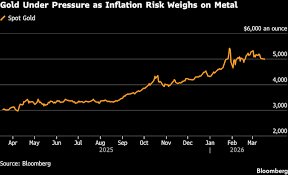
In the modern era, gold is often viewed as a “safe haven” asset. This means that during times of economic uncertainty, geopolitical instability, or market volatility, investors tend to flock to gold, driving up its price. Unlike stocks or bonds, gold doesn’t generate income (like dividends or interest). Its value is derived from its scarcity and perceived intrinsic worth. There are several ways to invest in gold:
- Physical Gold: Buying gold bars, coins, or jewelry.
- Gold ETFs (Exchange-Traded Funds): Funds that track the price of gold.
- Gold Mining Stocks: Investing in companies that mine gold.
- Gold Futures Contracts: Agreements to buy or sell gold at a predetermined price and date.
However, it’s important to remember that gold prices can be volatile, and past performance is not indicative of future results. Consulting with a financial advisor is crucial before making any investment decisions. A good resource for understanding gold investment strategies is [Investopedia’s Gold Investing Guide](https://www.investopedia.com/terms/g/gold.asp).
Beyond Investment: The Diverse Uses of Gold
While investment is a significant driver of gold demand, its applications extend far beyond finance. Gold’s exceptional conductivity makes it vital in electronics, used in connectors, switches, and circuit boards. It’s also used in dentistry for fillings, crowns, and bridges due to its biocompatibility and resistance to corrosion. Furthermore, gold plays a role in aerospace, where it’s used to coat spacecraft components to reflect infrared radiation and regulate temperature. Even in medicine, gold nanoparticles are being explored for targeted drug delivery and cancer treatment.
The Future of Gold
As global economic conditions continue to evolve, the role of gold is likely to remain significant. Its enduring appeal as a store of value, coupled with its diverse industrial applications, suggests that gold will continue to be a prized asset for generations to come. Whether you’re an investor, a history enthusiast, or simply fascinated by this remarkable metal, gold’s story is one that continues to unfold.