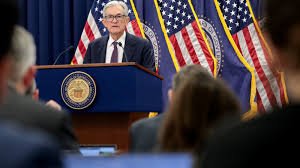
FOMC Meetings: A Deep Dive into Federal Reserve Policy
The Federal Open Market Committee (FOMC) is arguably the most influential economic body in the United States, and its meetings are closely watched by investors, economists, and the public alike. But what exactly is the FOMC, and why do its decisions matter so much? This article breaks down everything you need to know about FOMC meetings and their impact on the financial markets.
What is the FOMC?
The FOMC is the policy-making body of the Federal Reserve System. It’s comprised of twelve members: the seven members of the Board of Governors of the Federal Reserve System and five of the twelve Federal Reserve Bank presidents. The FOMC is responsible for setting the federal funds rate, the target rate that banks charge each other for the overnight lending of reserves. This rate is a key tool used to influence economic activity.
Why are FOMC Meetings Important?
FOMC meetings are held eight times a year, and the outcomes significantly influence the economy. The committee assesses economic conditions, forecasts future economic trends, and determines the appropriate course of monetary policy. Changes to the federal funds rate ripple through the economy, affecting everything from mortgage rates and credit card interest to business investment and inflation.
Key Factors the FOMC Considers:
- Inflation: Is inflation rising too quickly, or is it too low?
- Employment: How strong is the labor market?
- Economic Growth: Is the economy expanding at a sustainable pace?
- Global Economic Conditions: How are international events impacting the U.S. economy?
Understanding the FOMC Calendar and Releases
The FOMC releases a schedule of its meetings well in advance. Following each meeting, the FOMC publishes a Statement outlining its decisions and providing insights into its economic outlook. Crucially, the FOMC also releases minutes from each meeting, typically three weeks after the meeting date. These minutes offer a more detailed look at the discussions and debates among committee members. Investors often scrutinize these minutes for clues about future policy direction.
You can find the FOMC calendar and releases on the Federal Reserve Board website. Staying up-to-date with these releases is vital for anyone involved in financial markets.
How FOMC Decisions Impact the Markets
FOMC decisions can have a dramatic impact on financial markets.
- Interest Rate Hikes: Typically lead to lower stock prices, a stronger dollar, and higher bond yields.
- Interest Rate Cuts: Generally boost stock prices, weaken the dollar, and lower bond yields.
However, market reactions are not always predictable. Expectations play a significant role. If the FOMC’s actions are widely anticipated, the market may have already priced them in. Surprises, on the other hand, can lead to more volatile reactions.
The Future of FOMC Policy
The FOMC faces a complex challenge in navigating the current economic landscape. Balancing the need to control inflation with the desire to maintain economic growth requires careful consideration. Monitoring FOMC meetings and understanding its policy decisions is crucial for investors and anyone interested in the health of the U.S. economy.
For further insights into monetary policy, consider exploring resources from the International Monetary Fund (IMF).