
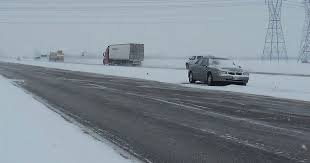
Navigating Ontario’s Lifeline: Your Ultimate Guide to 401 Road Conditions
For millions of Canadians, Highway 401 isn’t just a road; it’s a vital artery connecting cities, communities, and commerce across Ontario. Stretching over 800 kilometres, it’s often referred to as one of the busiest highways in North America. Whether you’re a daily commuter, a long-haul trucker, or planning a family road trip, understanding 401 road conditions is paramount for a safe and smooth journey.
Ignoring current traffic and weather can lead to unnecessary delays, stress, and even dangerous situations. This comprehensive guide will equip you with everything you need to know to stay informed and safe on Ontario’s major thoroughfare.
Why Monitoring 401 Road Conditions is Crucial
The 401 is dynamic, with conditions that can change in a heartbeat. Several factors constantly influence the driving experience:
- Weather Whiplash: Ontario’s weather is notoriously unpredictable. From sudden heavy snowfall and freezing rain in winter to torrential downpours and thick fog in summer, weather can drastically alter 401 road conditions, affecting visibility and traction.
- Construction Zones: As an actively maintained highway, construction is an almost constant feature. Lane reductions, detours, and speed limit changes in construction zones can cause significant bottlenecks and require heightened driver awareness.
- Traffic Incidents: Accidents, vehicle breakdowns, and even debris on the road can lead to unexpected lane closures, major backups, and sudden stops. Real-time updates are essential to avoid these surprises.
- Peak Hour Congestion: Daily rush hours around major urban centres like Toronto, London, and Windsor can turn the 401 into a slow-moving parking lot. Knowing when and where to expect heavy traffic can help you plan alternate routes or adjust your travel times.
Your Go-To Sources for Real-Time 401 Traffic Updates
Staying informed means knowing where to look for accurate and up-to-the-minute information. Here are the most reliable sources for 401 road conditions:
- 511 Ontario: This is the official Ministry of Transportation (MTO) source for traveller information. Available via phone, website, and app, 511 Ontario provides real-time updates on road closures, construction, weather advisories, and traffic camera feeds. It’s an indispensable tool for anyone planning to drive on provincial highways. Visit 511 Ontario
- Local News Outlets: Major Canadian news organizations often have dedicated traffic reporters and online sections providing live updates, especially during peak travel times or severe weather events. Check reputable sources like CBC News or CTV News for regional alerts.
- Weather Apps & Websites: Before heading out, always check the weather forecast. Services like The Weather Network or Environment Canada provide detailed local forecasts and severe weather warnings that can directly impact 401 road conditions. Check The Weather Network
- Traffic-Specific Apps: Google Maps, Waze, and Apple Maps all offer real-time traffic data, incident reporting, and route suggestions based on current conditions. These apps leverage user-generated data and official sources to provide a dynamic view of the road ahead.
Driving Smart: Tips for Navigating the 401 Safely
Even with perfect information, safe driving habits are key, especially on a highway as busy as the 401:
- Plan Ahead: Always check 401 road conditions before you leave. Build in extra travel time, especially during adverse weather or busy periods.
- Maintain a Safe Following Distance: The 401 can involve sudden stops and quick lane changes. Give yourself plenty of space between your vehicle and the one in front.
- Adjust to Conditions: If visibility is poor or roads are slippery, reduce your speed. It’s better to arrive late than not at all.
- Stay Alert and Focused: Avoid distractions. Keep your eyes on the road and your hands on the wheel.
- Be Prepared: In winter, ensure your vehicle is equipped with appropriate tires and an emergency kit. Carry water and snacks for longer journeys, especially if delays are possible.
Seasonal Impacts on 401 Road Conditions
Different seasons bring different challenges to the 401:
- Winter (November – March): Expect snow, ice, black ice, and reduced visibility. Winter tires are highly recommended. Always check for winter storm warnings and advisories.
- Spring (April – June): Can bring heavy rains, fog, and fluctuating temperatures that can still lead to icy patches. Potholes also become more prevalent.
- Summer (July – August): Often means increased construction, higher traffic volumes due to vacationers, and potential for severe thunderstorms.
- Fall (September – October): Reduced daylight hours, fallen leaves (which can be slippery when wet), and increased deer activity can pose hazards.
Conclusion: Drive Informed, Drive Safe
The 401 is an incredible engineering feat, but it demands respect and preparation from every driver. By regularly checking 401 road conditions through reliable sources and adopting safe driving practices, you can significantly enhance your travel experience. Don’t leave your journey to chance – stay informed, stay vigilant, and enjoy your drive across Ontario’s vital highway!



