
Extreme Weather Unleashed: Poland’s Arctic Freeze & Sri Lanka’s Monsoon Mayhem
Our planet’s dynamic climate continues to deliver stark contrasts, with two corners of the world recently experiencing dramatically different, yet equally severe, weather events. From the icy grip of an Arctic blast over Eastern Europe to the relentless downpour in tropical Sri Lanka, these incidents serve as powerful reminders of nature’s unpredictable force and the profound impact of extreme weather on communities.
Poland Plunges into a Deep Freeze and Heavy Snowfall
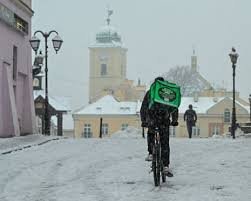
This past week, a frigid wave swept across the eastern half of Europe, bringing bone-chilling temperatures and significant snowfall. Poland, in particular, bore the brunt of this Arctic intrusion. In the picturesque Tatras Mountains, the town of Zakopane shivered as temperatures plummeted to a staggering -8.5°C, with some alpine regions experiencing lows nearing -20°C.
The cold wasn’t the only concern; heavy snow blanketed much of the country. Central Poland saw 15-20 centimetres of fresh powder, while southern mountainous areas were buried under more than 40 centimetres. This dramatic winter weather resulted from a low-pressure system moving north from the Balkans, colliding with the bitterly cold Arctic air mass hovering over Poland.
Impacts Across the Nation:
- Power Outages: Approximately 75,000 homes in the Rzeszów region were left without electricity, plunging residents into darkness and cold.
- Emergency Services Overwhelmed: Firefighters responded to nearly 3,000 callouts, primarily dealing with snow-related incidents and helping those affected by the power loss.
- Travel Disruption: Adding to the chaos, an Embraer E170STD aircraft, arriving from Warsaw, veered off the runway in Vilnius, Lithuania, causing significant delays for air travellers.
Sri Lanka Grapples with Deluge and Devastation
Thousands of kilometres away, the island nation of Sri Lanka faced an entirely different extreme weather challenge: an onslaught of relentless rainfall. While November typically brings significant precipitation to Sri Lanka (around 250-300mm), this week saw more than 250mm fall across many regions within a mere 24-hour period, leading to widespread and catastrophic flooding.
The sheer volume of water triggered devastating consequences, particularly in the mountainous tea-growing regions of Badulla and Nuwara Eliya, roughly 300 kilometres east of the capital, Colombo. Here, the unique topography amplifies rainfall through a process known as orographic enhancement, where moisture-laden air is forced upwards by mountains, cooling and condensing into heavy rain.
Humanitarian Crisis Unfolds:
- Homes Damaged: Over 425 homes have been severely affected by mudslides, rendering them uninhabitable.
- Mass Displacement: More than 1,800 families have been forced to abandon their homes and seek refuge in temporary shelters.
- Tragic Casualties: The floods and mudslides have tragically claimed 40 lives and left 10 people injured, highlighting the severe human cost of such extreme events. Eighteen of the fatalities occurred in the vulnerable, high-elevation tea-growing areas.
Understanding Orographic Enhancement: Nature’s Rain Amplifier
The intense rainfall in Sri Lanka, particularly in its mountainous regions, is a powerful example of orographic enhancement at play. As moist air masses are forced to ascend over mountain ranges, they cool. This cooling causes the water vapour to condense, forming clouds and precipitation. Pre-existing rain from higher atmospheric layers then falls through these newly formed, lower orographic clouds, growing larger through a process called accretion. This leads to significantly higher rainfall totals on the windward side of mountains, as witnessed in Sri Lanka.
A Global Call for Awareness and Preparedness
These contrasting weather events in Poland and Sri Lanka underscore the increasing frequency and intensity of extreme weather phenomena worldwide. As global weather patterns continue to evolve, understanding these occurrences and bolstering community resilience against natural disasters becomes ever more critical. Staying informed about meteorological forecasts and supporting international relief efforts are vital steps in mitigating the impact of such powerful forces.
For more insights into global weather patterns and climate science, consider visiting resources like the World Meteorological Organization (WMO).



