
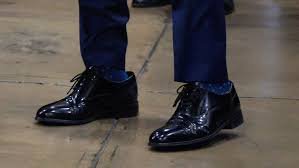
Marco Rubio Shoes: The Curious Case of Ill-Fitting Footwear in the White House
Across medieval Europe, aristocrats sparked fashion fads – and scandals – with poulaines, shoes boasting extravagantly elongated pointed toes. Today, a different stylistic choice is turning heads in Washington D.C. Photos of Secretary of State Marco Rubio and Vice President JD Vance sporting black dress shoes with noticeable gaps between the shoe and their heel have ignited a conversation. The ankles dangle loose, reminiscent of a bell’s clapper.
The Trump Shoe Gift Initiative
The story behind these ill-fitting shoes is as unusual as the footwear itself. According to a report by the Wall Street Journal, President Donald Trump has taken to personally gifting male officials with Florsheim oxfords. These mid-priced shoes are ordered on a whim and promptly worn by the recipients. However, as menswear expert Josh Peskowitz points out, the shoes appear to be “clearly too big.”
Size Matters… Or Does It?
The Journal revealed that Vance, Rubio, and another unnamed politician provided Trump with their shoe sizes: 13, 11.5, and 7, respectively. Trump reportedly quipped, “You can tell a lot about a man by his shoe size.” But can you really? Despite the precision of a Brannock device, men’s shoe sizes are notoriously inconsistent. Comfort expectations, vanity, and even anatomical folklore all play a role.
The Psychology of Shoe Size
There’s a long-held belief that a larger shoe equates to a larger… well, you know. While studies debunk the correlation between shoe size and penile length, the association persists. As seen during the 2016 campaign trail, one body part can stand in for another, symbolizing masculinity itself. Men may even inflate their shoe size, fueled by the variability in sizing standards. A size 9 in one brand can easily be a 10 in another, and even within a single brand, discrepancies occur due to quality control and manufacturing locations. As Elizabeth Semmelhack, director and senior curator of the Bata Shoe Museum in Toronto, Canada, explains, brands often prioritize unique fits over standardized sizing to gain a market advantage.
The Art of the Break-In
Formal leather shoes are designed to stretch and mold to the wearer’s foot. Justin FitzPatrick, owner of J.FitzPatrick Footwear, notes that a snug fit initially is expected, with the promise of eventual comfort. Florsheim even advises customers to size up if between sizes. However, FitzPatrick points out that the brand’s manufacturing has shifted overseas, impacting quality.
A ‘Skill Issue’ or a Sizing Problem?
Despite Florsheim’s generally reliable sizing, the significant gap observed in Rubio and Vance’s shoes remains puzzling. Some speculate they may have intentionally chosen larger sizes for a looser fit or simply misremembered their actual sizes. Menswear content creator Jake Woolf suggests it’s a “skill issue and/or user error.” Ultimately, the case of the oversized shoes highlights the complexities of finding the perfect fit in a world of inconsistent sizing standards and evolving footwear manufacturing practices. It begs the question: did they prefer the *idea* of the feet they wish they had, rather than the reality inside their new shoes?
Source: CNN



