Coquihalla Highway Weather: Your Essential Guide to Safe Winter Travel
The Coquihalla Highway, a major transportation artery connecting British Columbia’s Interior to the Lower Mainland, is renowned for its stunning mountain scenery. However, it’s equally known for its challenging winter weather conditions. Before embarking on a journey across this iconic highway, understanding the **Coquihalla weather** is paramount for a safe and stress-free trip. This guide provides everything you need to know, from current forecasts to essential winter driving tips.
Understanding the Coquihalla’s Unique Weather Patterns
The **Coquihalla Highway weather** is significantly impacted by its high elevation and mountainous terrain. Rapid changes in conditions are common. You can experience sunshine, snow, and freezing rain all within a short distance. The highway is particularly susceptible to:
* **Heavy Snowfall:** The Coquihalla receives substantial snowfall throughout the winter months, often exceeding amounts seen in lower elevations.
* **Black Ice:** A deceptively dangerous condition, black ice forms when freezing rain or melting snow refreezes on the road surface, creating a nearly invisible layer of ice.
* **Wind Chill:** Strong winds combined with low temperatures can create dangerously low wind chill values, increasing the risk of hypothermia.
* **Whiteout Conditions:** Heavy snowfall and strong winds can reduce visibility to near zero, creating whiteout conditions.
Checking the Current Coquihalla Weather Forecast
Staying informed about the **Coquihalla weather** is crucial. Here are some reliable resources:
* **DriveBC:** [https://www.drivebc.ca/](https://www.drivebc.ca/) – This is the official source for road conditions, closures, and weather alerts. Check DriveBC *before* you leave and frequently during your trip.
* **Environment Canada:** [https://weather.gc.ca/](https://weather.gc.ca/) – Provides detailed weather forecasts for specific locations along the Coquihalla Highway. Search for locations like Hope, Merritt, and Kamloops.
* **The Weather Network:** [https://www.theweathernetwork.com/](https://www.theweathernetwork.com/) – Offers comprehensive weather information, including radar maps and long-range forecasts.
Essential Winter Driving Tips for the Coquihalla
Even with a favourable **Coquihalla weather** forecast, it’s essential to be prepared for challenging conditions. Here are some vital winter driving tips:
* **Winter Tires:** Mandatory on many sections of the Coquihalla Highway from October 1st to April 30th. Ensure your tires have sufficient tread.
* **Chain Up:** Carry chains and know how to install them. Chains may be required during severe weather conditions, even with winter tires. DriveBC will announce chain requirements.
* **Reduce Speed:** Drive significantly slower than the posted speed limit. Adjust your speed to the road conditions.
* **Increase Following Distance:** Allow for a much greater following distance than you would in dry conditions.
* **Be Aware of Black Ice:** Watch for shiny or dark patches on the road, which could indicate black ice.
* **Pack an Emergency Kit:** Include items like a flashlight, blankets, warm clothing, food, water, a first-aid kit, and a shovel.
* **Let Someone Know Your Plans:** Inform a friend or family member of your route and estimated arrival time.
Resources for Road Conditions
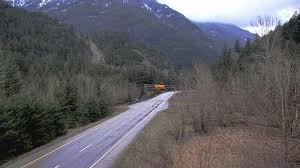
Beyond the weather, knowing the road conditions is vital. DriveBC provides real-time updates on closures, construction, and incidents. Webcams along the highway offer a visual assessment of conditions. Remember, conditions can change rapidly, so continuous monitoring is key to a safe journey on the **Coquihalla Highway**.