The Silence of the Courts: Carmel-by-the-Sea Moves Towards a Permanent Pickleball Ban
A tranquil seaside town known for its serene beauty is grappling with an unexpected intruder: the enthusiastic pop of pickleball. Carmel-by-the-Sea, California, is on the cusp of enacting a permanent pickleball ban, highlighting a growing dilemma faced by communities nationwide as this fastest-growing sport sweeps the nation. What happens when the joy of a booming sport clashes with a community’s core desire for peace and quiet?
The Heart of the Conflict: Noise Complaints
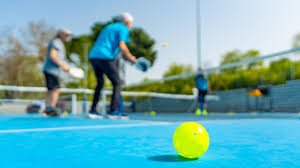
For years, the picturesque town has been trying to mute the distinctive sounds emanating from its sole public pickleball courts in Forest Hill Park. The rhythmic impact of paddles on balls, amplified by the open air, has led to a barrage of noise complaints from residents living near the courts. Initially, the city council implemented a temporary pickleball ban last October, a clear signal that the issue was reaching a critical point.
A Town Divided: Seeking Serenity
The unanimous vote earlier this month by the Carmel City Council to review a permanent ban underscores the severity of the situation. Mayor Dale Byrne revealed the city’s extensive two-year effort to find a compromise, including restricted playing hours and offering players quieter equipment. Despite these measures, consistent enforcement proved elusive, consuming significant municipal resources. “It’s disappointing that we couldn’t find a solution that balanced everyone’s interests,” Byrne remarked, acknowledging the sport’s health benefits but emphasizing the town’s commitment to “the peace and quiet of the surrounding neighborhood.”
Residents Speak Out
For those living adjacent to the courts, the noise is more than just an annoyance; it’s an intrusion into their daily lives. Carmel resident Kimberly Edwards, whose home is near the park, vividly described the impact: “I can hear it through my bedroom window, in my garden, it’s very annoying… I don’t understand why we’re placating the tourists and the pickleball players, when you’re supposed to be working for us.” Her sentiments echo a broader concern about local priorities and quality of life.
The Rise of Pickleball: A Double-Edged Sword
Pickleball has seen an astronomical surge in popularity, boasting a 311% increase in participation since 2021 and attracting nearly 20 million players across the U.S. (Source: USA Pickleball Association). This accessible, engaging sport offers significant health benefits and fosters community spirit. However, its rapid growth brings unforeseen challenges:
- Space constraints: Limited dedicated pickleball courts lead to sharing facilities with other sports.
- Noise pollution: The unique sound profile of pickleball can be disruptive in residential areas.
- Community integration: Balancing the needs of athletes with the desire for tranquility from non-players.
What Happens Next?
With the city attorney now tasked with drafting the permanent pickleball ban ordinance, Carmel-by-the-Sea is poised to make a definitive statement. While the police chief, Todd Trayer, noted a lack of violations during the temporary ban, the message is clear: the peaceful charm of this Californian haven takes precedence. This situation in Carmel-by-the-Sea serves as a compelling case study for other communities grappling with the widespread embrace of pickleball and its inherent challenges.