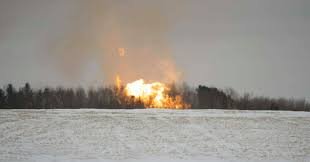
Dow Futures Under Pressure: Oil Prices Spike, Jobs Report Disappoints
NEW YORK – Global markets are bracing for turbulence as dow futures plummeted Friday, triggered by a surge in oil prices and a concerning report on the U.S. labor market. This combination has resulted in Wall Street’s worst week since October, fueling fears of stagflation – a dangerous mix of economic stagnation and high inflation.
Oil prices reached their highest levels since 2023, soaring after escalating tensions in the Middle East, particularly concerning Iran. Brent crude, the international benchmark, jumped 8.5% to settle at $92.69 a barrel, briefly exceeding $94. U.S. crude also breached the $90 mark, climbing 12.2% to $90.90.
Weak Jobs Data Adds to Economic Concerns
Adding to the market’s anxieties, a recent U.S. jobs report revealed that employers cut more jobs last month than they created. This unexpected decline, coupled with rising oil prices, has investors worried about the potential for a significant economic slowdown. According to Brian Jacobsen, chief economic strategist at Annex Wealth Management, “You can’t sugarcoat this report. A negative payrolls number combined with a big jump in oil prices will have traders worrying about stagflation risks.”
The Stagflation Threat
Stagflation presents a particularly challenging scenario for the Federal Reserve, which is tasked with maintaining both price stability and full employment. The current situation limits the Fed’s options, as lowering interest rates to stimulate the economy could exacerbate inflation, while raising rates to curb inflation could further weaken economic growth.
Oil Supply Concerns and the Strait of Hormuz
The primary driver of the oil price surge is the growing concern over potential disruptions to oil supply from the Middle East. Much of the world’s oil supply transits through the Strait of Hormuz, off the coast of Iran. Any closure of this vital waterway would have a devastating impact on global energy markets. While the U.S. government announced a plan to offer insurance to ships crossing the strait, it has had limited effect on calming market fears.
Experts warn that a complete closure of the Strait of Hormuz would be a “catastrophic” event for global oil markets, potentially pushing prices to unsustainable levels. Some analysts believe that sustained oil prices above $100 per barrel could trigger a global recession.
Market Performance
- S&P 500: Dropped 1.3% to 6,740.02
- Dow Jones Industrial Average: Fell 0.9% to 47,501.55
- Nasdaq Composite: Sank 1.6% to 22,387.68
- Russell 2000: Led the decline, falling 2.3%
Companies heavily reliant on fuel, such as Old Dominion Freight Line, Carnival, and Southwest Airlines, experienced significant losses.
Global Market Reaction
European markets followed suit, with indexes declining. However, Asian markets showed a mixed performance, with Hong Kong’s Hang Seng rising while South Korea’s Kospi experienced significant volatility earlier in the week.
The situation remains fluid, and market participants are closely monitoring developments in the Middle East and economic data releases for further clues about the future direction of the global economy.
Source: The Associated Press