Understanding School Cancellations: A Parent & Student Guide
School cancellations are a reality of life, particularly during winter months or in areas prone to severe weather. But they can happen for a variety of reasons, from snowstorms and extreme cold to power outages, public health concerns, and even unforeseen emergencies. Knowing *why* schools cancel classes, *how* decisions are made, and *what* to do when it happens is crucial for parents and students alike. This guide provides a comprehensive overview of school cancellations, covering everything from safety protocols to remote learning options.
Why Schools Cancel Classes
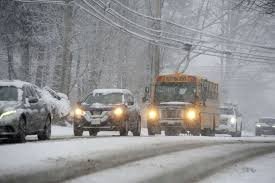
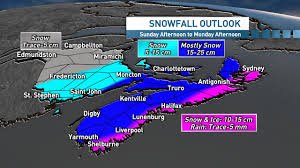
- Severe Weather: This is the most common reason. Snow, ice, extreme cold, flooding, hurricanes, and tornadoes all pose significant risks to student transportation and safety.
- Power Outages: Schools rely on electricity for heating, lighting, and essential services. Widespread power outages can make it unsafe or impossible to operate.
- Public Health Emergencies: Pandemics (like COVID-19), outbreaks of contagious illnesses, or concerns about air quality can lead to school closures.
- Infrastructure Issues: Broken pipes, heating system failures, or structural damage can force schools to close for repairs.
- Safety Concerns: Threats to school safety, such as nearby emergencies or security concerns, may result in cancellations.
How School Cancellation Decisions Are Made
School cancellation decisions aren’t taken lightly. A team of individuals, typically including school superintendents, transportation directors, and local weather experts, carefully evaluate the situation. They consider factors like road conditions, predicted weather patterns, the ability of buses to operate safely, and the overall risk to students and staff. Many districts now utilize sophisticated weather tracking technology and consult with local emergency management agencies. The goal is always to prioritize student safety. You can often find detailed information about your local school district’s cancellation policy on their website. For example, the Toronto District School Board provides detailed information on their inclement weather procedures: [https://www.tdsb.on.ca/weather](https://www.tdsb.on.ca/weather).
What Happens When School is Cancelled?
When school is cancelled, it’s important to have a plan. Here’s what you need to know:
- Notification Methods: Schools typically announce cancellations through multiple channels: school websites, social media (Twitter, Facebook), email, text message alerts, and local news outlets.
- Remote Learning: Many schools now offer remote learning options on cancellation days, allowing students to continue their education from home. Check with your school district to see if this is available.
- Childcare Arrangements: If you rely on school for childcare, you’ll need to make alternative arrangements. Plan ahead and communicate with your employer if necessary.
- Safety First: Avoid unnecessary travel during severe weather. If you must go out, exercise extreme caution.
Resources for Staying Informed
Here are some helpful resources to stay informed about school cancellations:
- Your School District Website: The primary source of information.
- Local News Channels: TV and radio stations will broadcast cancellation announcements.
- Environment Canada: Provides up-to-date weather forecasts and warnings: [https://weather.gc.ca/](https://weather.gc.ca/)
- School Messenger/Alert Systems: Sign up for alerts from your school district.
School cancellations can be disruptive, but they are ultimately made to ensure the safety and well-being of students and staff. By staying informed and prepared, you can navigate these situations with confidence.