Cathay Pacific and Global Flight Disruptions: A Traveler’s Guide
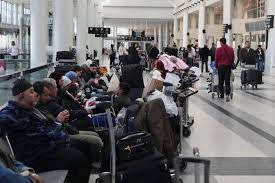
The escalating conflict involving the U.S. and Israel in Iran has sent shockwaves through global travel, leaving tens of thousands stranded and creating significant uncertainty for future trips. Airports across the Middle East, crucial hubs for connections to Europe, Africa, and Asia, are facing airspace closures, forcing airlines like Cathay Pacific to cancel flights or reroute them along longer, more expensive paths. This situation is impacting operating costs and, ultimately, ticket prices.
Understanding the Current Situation
Experts emphasize that the disruptions are far from over. Flights scheduled in the coming days and weeks are likely to experience further changes, creating a ripple effect worldwide. The war’s expansion, with retaliatory strikes in Gulf states, is exacerbating the problem. Beyond the immediate impact, the longer the conflict persists, the higher fuel costs will climb, further driving up ticket prices.
What Travelers Need to Know
If you have upcoming travel plans, here’s what you should do:
- Monitor Travel Advisories: Stay updated on safety guidance and advisories from government officials and embassies. Several countries, including the U.S., China, Italy, France, and Germany, have issued travel advisories and are organizing evacuation efforts for their citizens. The U.S. State Department urges citizens to leave Iran and Israel immediately.
- Reconsider or Rebook: If your travel is optional, postponing it is advisable. If travel is necessary, secure refundable or changeable fares.
- Check with Airlines and Airports: Monitor updates from your airline and the airports you’re traveling through. Major carriers like Etihad Airways, Emirates, and Qatar Airways have temporarily suspended certain routes.
Refunds and Insurance: Navigating the Fine Print
Many airlines are offering refunds or free rebooking, but these options often have limitations. It’s crucial to check the specific terms and conditions on each carrier’s website. Consider purchasing refundable tickets for future travel to provide greater flexibility.
Travel insurance can offer some protection, but it’s essential to read the policy details carefully. “Acts of war and civil unrest are typically excluded,” explains Suzanne Morrow, CEO of InsureMyTrip. While coverage for delays may be available, insurance is designed to cover losses, and if the airline provides a refund or rebooking, a claim may not be necessary. A “cancel for any reason” plan might offer compensation, but it requires cancellation within a specific timeframe and before the event becomes known.
Expect Higher Costs and Longer Flights
Beyond cancellations, airlines are taking longer routes to avoid closed airspace, increasing operating costs. These costs will inevitably be passed on to passengers through fuel surcharges or increased ticket prices. The price of crude oil, a significant component of jet fuel costs, has already spiked.
While current ticket prices for trips booked further out are relatively lower, these conditions could change rapidly if the conflict continues or worsens. Experts anticipate that carriers will likely impose fuel surcharges or increase existing fees.
Staying Informed
This is a dynamic situation, and travelers should expect uncertainty. Prioritize safety, stay informed, and be prepared for potential disruptions. Regularly check official sources for updates and adjust your travel plans accordingly.