Robert De Niro’s Powerful Message of Civility at Carnegie Hall
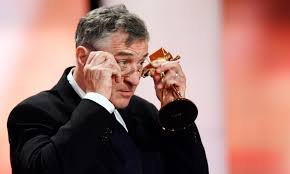
NEW YORK (AP) — In a surprising and moving moment, Robert De Niro took to the stage at Carnegie Hall Tuesday night, unannounced, to thunderous applause. The acclaimed actor, known for iconic roles portraying complex characters, didn’t deliver a prepared speech of his own. Instead, he chose to recite a powerful call for civility, originally spoken by Abraham Lincoln.
De Niro, whose career spans decades and includes unforgettable performances as gangsters, avenging heroes, and troubled individuals, delivered Lincoln’s words with a deliberate and growing conviction. He recited excerpts from Lincoln’s “Lyceum Address,” a prescient warning against the dangers of mob violence delivered in 1838 to a young men’s debating society in Springfield, Illinois.
“Reason, cold, calculating, unimpassioned reason, must furnish all the materials for our future support and defense,” De Niro stated, his voice initially measured, but gaining strength as he immersed himself in Lincoln’s prose. “Let those materials be molded into general intelligence, sound morality, and in particular, a reverence for the constitution and laws.”
A Night of Art and Activism for Tibet House US
De Niro was a featured performer at the 39th annual benefit concert for Tibet House US, a non-profit organization dedicated to preserving Tibetan culture and education. The event showcased a diverse lineup of artists, including Laurie Anderson, Elvis Costello, Maya Hawke, and Allison Russell.
While De Niro refrained from directly addressing current political events or specifically mentioning President Donald Trump, his choice of Lincoln’s address resonated deeply with the current socio-political climate. The selection underscored a plea for reasoned discourse and respect for the rule of law.
Lincoln’s Words Echo Through Contemporary Concerns
Philip Glass, a co-director of the benefit concert, had originally intended to premiere his Symphony No. 15, “Lincoln,” at the Kennedy Center. However, he cancelled the performance earlier this year, citing concerns over changes in the center’s leadership and what he perceived as a conflict with the symphony’s message. This decision highlighted the growing tension between artistic expression and political pressures.
The evening wasn’t solely focused on Lincoln’s message. Numerous performers used their platform to denounce various issues, including the war against Iran, U.S. Immigration and Customs Enforcement policies, and a perceived rise in violence and indifference. Elvis Costello’s performance of “(What’s So Funny ’Bout) Peace, Love, and Understanding” served as a poignant reminder of the enduring relevance of calls for peace and unity.
The concert was a vibrant tapestry of musical styles, from the traditional chants of the Drepung Gomang Monks to the avant-garde compositions of Glass and Anderson, and included performances spanning folk, gospel, protest songs, and contemporary hits. The event culminated in a celebration of artistic experimentation and the universal power of music.
The night also included personal moments, such as a duet performance by Maya Hawke and Christian Lee Hutson, who recently celebrated their Valentine’s Day wedding. Robert Thurman, Hawke’s grandfather and a co-founder of Tibet House, opened the evening with a message of joy and the inherent right to happiness.