Meteor Sighting: Stunning Fireball Lights Up Southern Skies
A spectacular celestial event unfolded on the night of March 2nd, as a brilliant meteor, often referred to as a fireball, streaked across the skies of the Southern United States. Residents in Louisiana, Arkansas, Mississippi, and Texas were treated to a dazzling display, captured on security cameras and reported to the American Meteor Society.
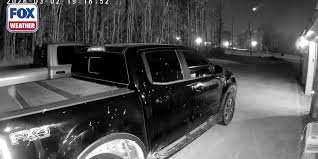
The fireball, travelling at an astonishing 30,000 miles per hour, traversed over 41 miles before disintegrating above the Georgia Pacific Wildlife Management Area in Louisiana, at an altitude of approximately 27 miles. Footage from Walker, Louisiana, shows the incredible moment the meteor illuminated the night sky with a vibrant glow.
What is a Fireball?
In astronomical terms, a fireball is an exceptionally bright meteor. These events are visible over a wide area and are significantly brighter than typical ‘shooting stars’. According to the International Meteor Organization, fireballs can reach a visual magnitude of -3 or brighter. To put that into perspective, a magnitude of -5 is comparable to the brightness of Venus at its peak!
Under ideal, dark conditions, a fireball of this magnitude can even cast a faint shadow. This recent event was particularly striking, drawing attention from skywatchers across multiple states.
Understanding Meteors and Meteoroids
Meteors, commonly known as ‘shooting stars’, are the visible trails created when meteoroids enter the Earth’s atmosphere at high speeds. These space rocks burn up due to friction with the air, creating the bright streaks we observe. NASA explains that this particular meteor wasn’t linked to any active meteor shower; it was a sporadic event, part of the ‘background’ meteor complex.
Want to learn more about observing these celestial wonders? Check out NASA’s guide to meteor showers.
Witness Accounts and Reporting
The American Meteor Society has received numerous reports from eyewitnesses across the affected states. These reports help scientists understand the frequency and characteristics of meteor events. If you ever witness a meteor, consider reporting it to the American Meteor Society.
This recent meteor sighting serves as a reminder of the dynamic and awe-inspiring nature of our universe.