Earthquake Vancouver: A Looming Risk in the City’s Skyline
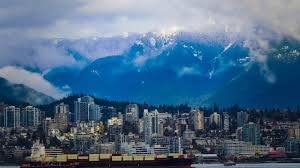
Vancouver’s iconic skyline, particularly in neighbourhoods like the West End, is largely defined by the mid- to high-rise concrete apartment buildings that began appearing in the 1960s and 70s. While these structures provided much-needed housing and continue to be a crucial part of the city’s affordability, a growing concern is their vulnerability to damage from a significant earthquake. This is a critical issue for earthquake Vancouver preparedness.
A History of Building and Evolving Codes
In 1957, Vancouver lifted height restrictions, paving the way for high-rise development. However, the seismic requirements in Canada’s national building code at that time were rudimentary compared to today’s standards. What was considered code-compliant decades ago is now recognized as seismically vulnerable. Our recent study of typical older West End high-rise concrete buildings estimated a significantly high risk of major damage should a strong earthquake strike the region. This echoes the understanding of many local engineers and has been previously highlighted by the City of Vancouver and Natural Resources Canada.
RELATED: Canada’s strongest on-land earthquakes as of March 3, 2026 (The Weather Network)
The Problem with Non-Ductile Concrete
Many of the vulnerable buildings in the West End were constructed using non-ductile reinforced concrete – a common practice before modern seismic detailing requirements. This type of construction is prone to sudden, brittle failure under strong shaking. Modern engineering prioritizes ductility, allowing concrete to withstand earthquakes more effectively, but older buildings predate these advancements. The 2023 earthquake in Turkey, where similar construction types suffered severe damage, prompted Vancouver experts to call for mandatory seismic assessments, though a citywide program hasn’t yet been implemented.
The vulnerability isn’t just structural. The West End is home to a large population of renters, many of whom are lower-income and elderly, making them particularly vulnerable to the impacts of a disaster. Preparing for, responding to, and recovering from an earthquake presents significant challenges for these communities.
Lessons from Other Cities
Vancouver isn’t alone in facing this challenge. Cities like Los Angeles, Seattle, and even those across the Pacific in New Zealand are grappling with the risks posed by non-ductile concrete buildings. Los Angeles, for example, has approximately 1,500 such buildings and adopted a mandatory retrofit program in 2015, requiring owners of pre-1977 concrete buildings to assess and complete retrofits over 25 years. They paired this mandate with a cost-recovery option for rent-stabilized buildings, allowing owners to pass on up to 50% of verified costs to tenants, capped at $38 per month for 10 years.
However, even with a clear framework, implementation has been challenging, with outdated city records hindering accurate inventory tracking. Retrofitting is often difficult to sell to owners due to the lack of immediate benefits, the high costs, and the complexities of shared responsibilities.
A Path Forward: Shared Responsibility and Innovative Solutions
Retrofitting aging buildings is essential, but it requires a collaborative approach. Effective policies must consider the needs of all stakeholders and incorporate financing and implementation tools that facilitate risk reduction. A 2023 report from the U.S. National Institute of Building Sciences recommended risk-reduction investments funded through incentives shared by the government, insurers, the real estate industry, financial institutions, tenants, and future owners.
Ultimately, the goal is public safety and resilient communities. Achieving this requires a unified effort. Retrofits should be integrated with climate adaptation and energy efficiency upgrades, maximizing the impact of investments. Honest communication about shared responsibility, coupled with practical financing, is crucial for driving action. Addressing the earthquake Vancouver risk is not just about building codes; it’s about protecting lives and livelihoods.
Seismic hazard map: Although earthquakes occur in all regions of Canada, certain areas have a higher probability of experiencing damaging ground motions caused by earthquakes. (Source)
Written by Preetish Kakoty, Marie Skłodowska-Curie Fellow, Civil Environmental and Geomatic Engineering, UCL and Carlos Molina Hutt, Associate Professor, Structural & Earthquake Engineering, University of British Columbia. This article is republished from The Conversation under a Creative Commons license.