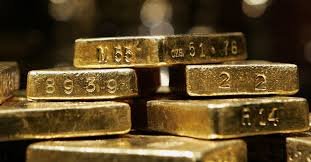
For millennia, gold has captivated humanity. More than just a pretty metal, it’s been a symbol of wealth, power, and enduring value. From ancient civilizations to modern investors, the allure of gold remains strong. But what makes gold so special, and what does the future hold for this precious metal?
A Historical Perspective: Gold Through the Ages
The history of gold is intertwined with the history of civilization. Evidence suggests gold was first discovered around 6000 BC in Eastern Europe. Ancient Egyptians revered gold, associating it with the sun god Ra and using it extensively in funerary masks and jewelry. The Romans used gold for coinage, establishing its role as a monetary standard. Throughout the Middle Ages and Renaissance, gold continued to be a symbol of status and wealth, fueling exploration and trade. The California Gold Rush in 1849 dramatically reshaped the American West and further cemented gold‘s place in global economics.
Gold as an Investment: A Safe Haven?
Today, gold is often seen as a ‘safe haven’ asset – a store of value that holds its worth during times of economic uncertainty. Unlike stocks or bonds, gold doesn’t generate income (like dividends or interest). Its value is derived from its scarcity, its industrial uses (electronics, dentistry), and, importantly, investor sentiment. When stock markets fall or inflation rises, investors often flock to gold, driving up its price. There are several ways to invest in gold:
- Physical Gold: Buying gold bars, coins, or jewelry.
- Gold ETFs (Exchange-Traded Funds): Funds that track the price of gold.
- Gold Mining Stocks: Investing in companies that mine gold.
- Gold Futures Contracts: Agreements to buy or sell gold at a predetermined price and date.
According to The World Gold Council, central banks globally have been increasing their gold reserves, further supporting its value. This trend suggests a growing confidence in gold as a long-term store of value.
Future Trends: What’s Next for Gold?
Several factors could influence the future price of gold. Geopolitical instability, inflation, interest rates, and the strength of the US dollar all play a role. The rise of digital currencies, like Bitcoin, has sometimes been seen as a competitor to gold, but many investors view them as distinct asset classes. Technological advancements in gold mining could also impact supply and demand. Furthermore, increasing demand from emerging economies, particularly in Asia, is expected to continue driving gold consumption. The ongoing global economic uncertainties suggest that gold will likely remain a relevant and sought-after asset for years to come.
Investing in gold, like any investment, carries risks. It’s crucial to do your research and understand your risk tolerance before making any decisions. Consider consulting with a financial advisor to determine if gold is a suitable addition to your portfolio.