
Iran-Israel Conflict: A Rapidly Escalating Situation
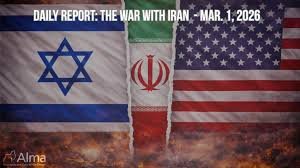
Over the past 24 hours, the Middle East has witnessed a dramatic escalation of conflict as Israel and the United States have conducted extensive strikes against targets within Iran. This follows a period of heightened tension and represents a significant shift in the regional dynamic. The situation remains fluid and highly volatile.
Strikes Within Iran: Key Targets Hit
Hundreds of targets across Iran were struck, including critical infrastructure and key personnel. Notable locations hit include:
- Tehran: The Iranian Broadcasting Authority building was targeted.
- Kermanshah: The “Imam Ali” missile base sustained damage.
- Tabriz: Two F-5 and F-4 fighter jets were reportedly destroyed.
- Bandar Abbas, Shiraz, Mashhad, and Rezvanshahr: Additional strikes were carried out in these cities.
United States Central Command also reported the sinking of an Iranian warship, further intensifying the conflict.
Targeted Eliminations of Iranian Leadership
A series of high-profile Iranian figures have been reportedly eliminated in the initial stages of the operation. Among those targeted are:
- Ali Khamenei: Iran’s Supreme Leader (reports indicate expressions of joy alongside mourning over his elimination).
- Ali Shamkhani: Advisor to the Supreme Leader and Secretary of the Defense Council.
- Mohammad Shirazi: Head of the Supreme Leader’s military office.
- Aziz Nasirzadeh: Defense Minister.
- Mohammad Pakpour: IRGC Commander.
- Salah Asadi: Head of the intelligence department in the military emergency command (Khatam al-Anbiya Headquarters).
- Hossein Jabal Amelian & Reza Mohammadi Nia: Heads of SPND (past and present).
- Abdolrahim Mousavi: Chief of Staff.
- Gholamreza Rezaian: Head of the IRGC’s police intelligence organization.
Iran’s Retaliatory Strikes and Regional Impact
In response, Iran has launched attacks targeting multiple countries in the Middle East. Oman, which was mediating negotiations, was struck by Iranian UAVs at Duqm Port, resulting in one injury. The oil tanker “Skylight” was also attacked off the coast of Oman, injuring four crew members. Iran continues to target civilian objectives in the UAE, Bahrain, Kuwait, and Qatar.
The attacks in the Strait of Hormuz have effectively limited or suspended maritime traffic. A U.S. military statement confirmed the deaths of three American soldiers and serious injuries to five others due to Iranian attacks. Intelligence suggests Iran possesses approximately 2,500 ballistic missiles, with ongoing efforts to restore and expand its missile production capabilities. Council on Foreign Relations provides further insight into Iran’s missile program.
The Situation in Israel
Israel has been subjected to frequent barrages of missile and UAV attacks from Iran. These attacks, while consisting of small numbers of projectiles, are deliberately designed to exhaust the Israeli home front by forcing prolonged stays in shelters. As of 17:00, 62 waves of attacks have been carried out since February 28, totaling 89 waves. Tragically, several Israeli civilians have been killed and many more injured in direct hits, including a recent strike in Beit Shemesh that resulted in nine fatalities and eleven missing individuals.
Regional Reactions and International Condemnation
- Lebanon: The Lebanese Ministry of Foreign Affairs condemned Iranian attacks on Gulf states and increased security measures.
- Syria: Syria aligned with affected Arab states, condemning Iran and increasing internal security. Syrian airspace was closed for 24 hours.
- E3 Countries (UK, France, Germany): Expressed support for the US and Israel and called for Iran to halt its nuclear program.
- Canada: Expressed support for the United States.
- Spain: Condemned unilateral strikes by the US and Israel.
- Gulf States: Mixed reactions, with some calling for de-escalation and diplomacy (Oman, Saudi Arabia, Qatar, Kuwait) while others condemned Iranian attacks (UAE, Jordan, Egypt).
- Russia: Strongly condemned the US and Israel, warning of dangerous escalation.
- Turkey: Condemned the operation, citing concerns for regional security.
The situation remains highly volatile and requires careful monitoring. Further updates will be provided as they become available.



