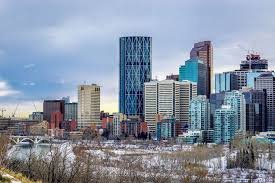
Johannesburg, often affectionately called “Joburg” or “Jozi,” is South Africa’s largest city and a dynamic metropolis brimming with history, culture, and a palpable energy. Far from simply being a gateway to safaris, Johannesburg is a destination in its own right, offering a unique blend of the past and present. This guide will delve into what makes Johannesburg so captivating, from its origins as a gold-mining town to its current status as a major economic and cultural hub.
A History Forged in Gold
The story of Johannesburg is inextricably linked to the discovery of gold in 1886. Within a few years, a tented camp transformed into a bustling city, attracting fortune seekers from around the globe. This rapid growth, however, came with its challenges, including social inequalities and the establishment of apartheid. Understanding this history is crucial to appreciating the complexities of modern Johannesburg. The Apartheid Museum is a powerful and moving experience, offering a profound insight into this dark period of South African history. It’s a must-visit for anyone wanting to understand the city’s past.
Exploring Johannesburg’s Diverse Neighborhoods
Johannesburg isn’t a single, monolithic entity; it’s a collection of distinct neighborhoods, each with its own character. Here are a few highlights:
- Maboneng: Once a neglected industrial area, Maboneng has undergone a remarkable transformation, becoming a trendy hub for art, design, and food. Explore its vibrant street art, independent boutiques, and bustling markets.
- Rosebank: Known for its upscale shopping malls, art galleries, and Sunday markets, Rosebank offers a more sophisticated experience.
- Sandton: The financial heart of Johannesburg, Sandton is home to gleaming skyscrapers, luxury hotels, and high-end restaurants.
- Soweto: A historically significant township, Soweto (South Western Townships) played a pivotal role in the anti-apartheid struggle. Visit Nelson Mandela House and Hector Pieterson Memorial to learn about its rich history and resilient spirit. Soweto Tourism provides excellent tour options.
Culture and Entertainment in Jozi
Johannesburg’s cultural scene is thriving. From world-class museums to live music venues, there’s something for everyone. The Joburg Theatre hosts a variety of performances, including plays, musicals, and dance shows. For art enthusiasts, the Standard Bank Gallery showcases a diverse collection of contemporary and traditional South African art. Don’t forget to explore the local music scene – jazz clubs and live music venues are plentiful.
Practical Tips for Visiting Johannesburg
While Johannesburg has made significant strides in improving safety, it’s important to be aware of your surroundings and take precautions. Consider using ride-sharing services or reputable taxi companies, especially at night. Be mindful of your belongings and avoid displaying expensive jewelry or electronics. Staying in well-established tourist areas and following local advice will contribute to a safe and enjoyable trip. The best time to visit Johannesburg is during the shoulder seasons (spring and autumn) when the weather is pleasant and the crowds are smaller.
Johannesburg is a city of contrasts, a place where history and modernity collide. It’s a city that challenges, inspires, and ultimately captivates. Whether you’re interested in history, culture, or simply experiencing the energy of a vibrant African metropolis, Johannesburg is a destination that will leave a lasting impression.