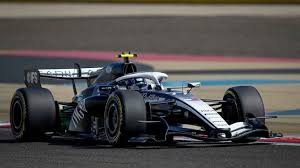
F1: The Ultimate Guide to Formula 1 Racing
Formula 1 (F1) is the highest class of open-wheeled auto racing sanctioned by the Fédération Internationale de l’Automobile (FIA). It’s a sport steeped in history, innovation, and breathtaking speed, captivating millions of fans worldwide. But what exactly makes F1 so compelling? This guide will delve into the core aspects of this exhilarating motorsport.
A Brief History of Formula 1
The roots of F1 can be traced back to European Grand Prix motor racing of the 1920s and 1930s. The first officially sanctioned World Championship season was in 1950. Over the decades, F1 has evolved dramatically, from the pioneering days of Juan Manuel Fangio to the modern era dominated by drivers like Lewis Hamilton and Max Verstappen. The sport has consistently pushed the boundaries of automotive technology, becoming a testing ground for innovations that often trickle down to everyday vehicles. You can explore more about the history of F1 on the official Formula 1 website.
The Teams and Drivers
Currently, ten teams compete in F1, each fielding two drivers. These teams represent some of the biggest names in automotive engineering and motorsport, including:
- Red Bull Racing: Known for their aggressive strategies and dominant performance in recent years.
- Mercedes-AMG Petronas Formula One Team: A powerhouse team with a long history of success.
- Ferrari: The most iconic team in F1, with a passionate fanbase.
- McLaren Racing: A historic team undergoing a resurgence.
- Aston Martin Aramco Cognizant Formula One Team: A team with ambitious goals and growing investment.
The drivers are the stars of the show, pushing themselves and their machines to the absolute limit. Current top drivers include Max Verstappen, Charles Leclerc, Lewis Hamilton, and George Russell. Their skill, courage, and strategic thinking are crucial to a team’s success.
The Technology Behind the Speed
F1 cars are marvels of engineering. They are built with cutting-edge technology, including:
- Hybrid Power Units: Combining internal combustion engines with electric motors for increased power and efficiency.
- Aerodynamics: Sophisticated wing designs and bodywork to generate downforce, improving grip and cornering speed.
- Advanced Materials: Carbon fiber and other lightweight materials to minimize weight and maximize performance.
- Data Analytics: Teams collect and analyze vast amounts of data during races to optimize strategy and car setup.
The constant pursuit of technological advancement is a defining characteristic of F1. FIA Technical Regulations govern the design and construction of F1 cars, ensuring a level playing field and promoting safety.
Understanding the Race Weekend
An F1 race weekend typically consists of:
- Practice Sessions: Drivers and teams test and refine their car setups.
- Qualifying: Determines the starting grid for the race.
- The Race: The main event, where drivers compete for points and glory.
The points system awards points to the top ten finishers, with the driver accumulating the most points over the season crowned World Champion.
Staying Up-to-Date with F1
Keep up with the latest F1 news, results, and analysis through these resources:
Formula 1 is more than just a sport; it’s a spectacle of speed, skill, and innovation. Whether you’re a seasoned fan or a newcomer, there’s always something new to discover in the world of F1.