School Bus Cancellation: A Parent’s Guide to Staying Safe and Informed
The dreaded message: “School buses are cancelled today.” As a parent, this can throw a wrench into your carefully planned day. But more importantly, it raises questions about your child’s safety and how to navigate alternative transportation. This guide provides everything you need to know about school bus cancellation policies, safety considerations, and proactive steps you can take.
Why Are School Buses Cancelled?
School bus cancellation isn’t taken lightly. The primary reason is student safety. The most common causes include:
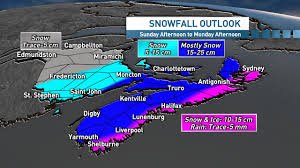
- Severe Weather: This is the biggest culprit. Heavy snow, ice, extreme cold, and even dense fog can make roads treacherous for large vehicles like school buses.
- Mechanical Issues: Unexpected bus breakdowns can lead to cancellations, especially if there aren’t enough spare buses available.
- Staffing Shortages: A lack of qualified bus drivers can also force cancellations.
- Emergency Situations: Rarely, school bus routes may be cancelled due to local emergencies like road closures or natural disasters.
Understanding Your School District’s Policy
Each school district has its own specific school bus cancellation policy. It’s crucial to familiarize yourself with yours. Here’s what to look for:
- Cancellation Criteria: What specific weather conditions (temperature, snowfall amount, wind chill) trigger a cancellation?
- Communication Methods: How will you be notified? (Email, text message, school website, local news channels, social media). Most districts now offer opt-in notification systems.
- Partial Cancellations: Are some routes cancelled while others operate? This often happens in larger districts with varying road conditions.
- Delayed Starts: Sometimes, buses may run on a delayed schedule to allow for road clearing.
You can usually find this information on your school district’s website. A good starting point is often the Transportation Department page. For example, the Toronto Student Transportation Services provides detailed information on their cancellation procedures.
Safety First: What to Do When Buses Are Cancelled
When a school bus cancellation is announced, prioritize your child’s safety:
- Don’t Encourage Walking: If conditions are bad enough to cancel buses, they’re likely too dangerous for children to walk, even short distances.
- Carpooling: If possible, arrange carpools with other parents.
- Drive Safely: If you’re driving your child to school, drive slowly and cautiously. Be aware of black ice and other hazards.
- Dress Appropriately: Ensure your child is dressed warmly, with layers, a hat, gloves, and waterproof boots.
- Stay Informed: Monitor weather updates and school announcements throughout the day.
Preparing in Advance
Don’t wait for the first cancellation of the season to prepare. Here are some proactive steps:
- Create a Backup Plan: Discuss alternative transportation options with your child and other parents.
- Sign Up for Notifications: Enroll in your school district’s notification system.
- Pack a Winter Emergency Kit: Keep a kit in your car with items like a blanket, flashlight, first-aid kit, and snacks.
- Know Your Route: Familiarize yourself with the roads your child’s bus travels.
School bus cancellation can be inconvenient, but by staying informed and prioritizing safety, you can ensure your child gets to school (or stays home safely) during challenging weather conditions.