Understanding Bus Cancellations: A Comprehensive Guide
Bus cancellations are a frustrating reality for many commuters. Whether it’s due to unforeseen circumstances like severe weather, mechanical issues, or staffing shortages, disruptions to public transportation can throw a wrench into your daily routine. This guide provides a detailed look at the common causes of bus cancellations, your rights as a passenger, and practical strategies for staying informed and minimizing the impact on your travel plans.
Common Causes of Bus Cancellations
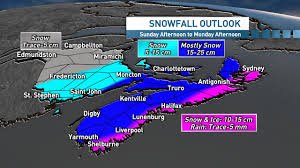
- Weather Conditions: Snowstorms, heavy rain, flooding, and extreme temperatures can make roads unsafe for bus operation, leading to widespread cancellations.
- Mechanical Failures: Buses, like any vehicle, are susceptible to breakdowns. Unexpected mechanical issues can necessitate immediate repairs, resulting in service disruptions.
- Staffing Shortages: A lack of available drivers, often due to illness, training, or other factors, can force transit agencies to cancel routes.
- Traffic Congestion: Severe traffic delays can cause buses to fall behind schedule, potentially leading to cancellations to prevent further cascading delays.
- Emergency Situations: Unexpected events like accidents or road closures can disrupt bus routes and necessitate cancellations.
- Scheduled Maintenance: While often planned, essential maintenance can sometimes lead to temporary route cancellations.
Your Rights as a Passenger When a Bus is Cancelled
While the specific rights vary depending on the transit agency and local regulations, passengers generally have certain expectations when a bus is cancelled. These often include:
- Notification: Transit agencies should make reasonable efforts to notify passengers of cancellations in a timely manner. This can be through mobile apps, websites, social media, or on-site announcements.
- Alternative Transportation: Many agencies will attempt to provide alternative transportation options, such as rerouting buses or offering shuttle services.
- Refunds or Credits: In some cases, passengers may be entitled to a refund for unused fares or credits towards future travel. Check your local transit agency’s policy.
- Information: You have the right to clear and accurate information about the reason for the cancellation and the estimated duration of the disruption.
Staying Informed About Bus Cancellations
Proactive planning is key to minimizing the impact of bus cancellations. Here are some resources to help you stay informed:
- Transit Agency Website: Most transit agencies have a website with real-time service alerts and cancellation notifications. [https://www.translink.ca/](https://www.translink.ca/) (Example – Translink, Vancouver)
- Mobile Apps: Download your local transit agency’s mobile app for instant updates and trip planning tools.
- Social Media: Follow your transit agency on platforms like Twitter and Facebook for quick announcements.
- Email/SMS Alerts: Sign up for email or SMS alerts to receive notifications directly to your inbox or phone.
- Third-Party Transit Apps: Apps like Citymapper and Google Maps often integrate real-time transit data and can alert you to cancellations.
What to Do When Your Bus is Cancelled
If your bus is cancelled, don’t panic! Here’s a quick checklist:
- Check for Alternatives: Use your transit app or website to see if there are alternative routes or modes of transportation.
- Allow Extra Time: If you must travel, factor in extra time for potential delays.
- Contact the Transit Agency: If you have questions or concerns, contact your local transit agency for assistance.
- Consider Ride-Sharing or Taxis: As a last resort, consider using a ride-sharing service or taxi.
Bus cancellations are an inconvenience, but by understanding the causes, knowing your rights, and staying informed, you can navigate disruptions with greater ease. Remember to plan ahead and be prepared for unexpected changes to your commute.