Power Outage: Causes, Preparedness & What to Do During a Blackout
A power outage, also known as a blackout, can be a disruptive and even dangerous event. From a simple inconvenience to a serious emergency, understanding the causes of a power outage, knowing how to prepare, and knowing what to do during one is crucial for everyone. This guide provides comprehensive information on navigating power outages, ensuring your safety and minimizing disruption to your life.
What Causes a Power Outage?
Power outages can stem from a variety of sources. Here are some of the most common:
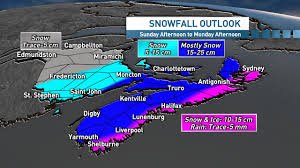
- Weather Events: Severe weather, including thunderstorms, hurricanes, snowstorms, and ice storms, are major culprits. High winds can down power lines, and ice accumulation can weigh them down, causing breaks.
- Equipment Failure: Aging infrastructure, faulty transformers, and damaged power lines can all lead to outages. Regular maintenance is key, but failures still happen.
- Tree Contact: Trees falling on power lines are a frequent cause, especially during storms. Utility companies often trim trees near power lines to mitigate this risk.
- Animal Interference: Squirrels, birds, and other animals can sometimes cause short circuits by coming into contact with electrical equipment.
- Human Error: Accidental digging, vehicle accidents involving utility poles, and even vandalism can disrupt power supply.
- High Demand: During periods of extreme heat or cold, demand for electricity can exceed supply, leading to rolling power outages to prevent a wider system collapse.
Preparing for a Power Outage
Proactive preparation can significantly reduce the impact of a power outage. Here’s what you can do:
- Emergency Kit: Assemble a kit with flashlights (not candles!), extra batteries, a first-aid kit, a battery-powered or hand-crank radio, non-perishable food, bottled water, and any necessary medications.
- Backup Power: Consider a generator or a battery backup system for essential appliances. Ensure you understand the safe operation of any generator, including proper ventilation to avoid carbon monoxide poisoning. Energy Star Generators provides helpful information.
- Charge Devices: Keep your cell phones, power banks, and other essential devices fully charged whenever possible.
- Know Your Neighbors: Check on elderly or vulnerable neighbors during an outage.
- Save Important Numbers: Have a list of emergency contact numbers readily available, in case your phone loses power.
What to Do During a Power Outage
When the lights go out, follow these steps:
- Stay Calm: A power outage can be unsettling, but remaining calm will help you make rational decisions.
- Check Your Breakers: Sometimes, a tripped breaker is the cause, not a widespread outage. Reset any tripped breakers.
- Unplug Sensitive Electronics: This protects them from power surges when the electricity is restored.
- Use Flashlights: Avoid using candles, as they pose a fire hazard.
- Report the Outage: Contact your utility company to report the outage. This helps them pinpoint the problem and restore power more quickly.
- Conserve Battery Power: Limit phone use to essential communication.
- Keep Refrigerator and Freezer Doors Closed: This will help keep food cold for longer. Food is generally safe for up to 4 hours in a refrigerator and 48 hours in a freezer (if kept closed).
Being prepared for a power outage is a smart investment in your safety and peace of mind. By understanding the causes, taking preventative measures, and knowing what to do when the lights go out, you can navigate these situations with confidence.