Industry Season 4: The Audacious Rise and Dramatic Fall of Whitney Halberstram
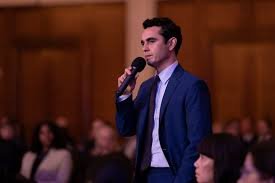
HBO’s “Industry” continues to deliver a gripping portrayal of the high-stakes world of international finance, and Season 4 is no exception. This season, the spotlight shines intensely on Whitney Halberstram (played brilliantly by Max Minghella), a character whose ambition and desperation lead to a spectacular, and ultimately devastating, downfall. The latest episodes, particularly “Points of Emphasis,” reveal the unraveling of Whitney’s fraudulent startup, Tender, and his desperate attempts to salvage his reputation and power.
The Collapse of Tender and a Desperate Gamble
Thanks to the relentless efforts of Harper Stern (Myha’la) and her team of short sellers, Tender’s house of cards has crumbled. CEO Henry Muck (Kit Harington) is left to face the consequences, while Whitney attempts a final, audacious move: a takeover of Pierpoint, the very bank where “Industry” first established its gritty realism. This attempt isn’t about genuine business strategy; it’s a desperate distraction from mounting calls for an audit, a last-ditch effort to project an image of success through sheer bravado.
Whitney, who co-founded Tender with Jonah (Kal Penn) – a partnership he abruptly ended – has been relentlessly “faking it until he makes it.” His tactics included inflating acquisitions in Africa and attempting to rebrand a payment processor for adult content into a mainstream financial institution. As he pitches the Pierpoint acquisition, he appeals to shareholders with promises of “speed, scale, certainty, and America,” almost convincing them that Tender can defy gravity.
Abandonment and the Echoes of Ripley
Ultimately, Whitney can’t outrun his fate. Facing threats from shadowy Russian backers, relayed through his deputy Ferdinand (Nico Rogner), he chooses to flee, abandoning both Tender and his complicated relationship with Henry. This mix of ambition, invention, and forbidden attraction draws parallels to classic literary antiheroes like Tom Ripley, a connection subtly acknowledged by Minghella, whose father directed the 1999 adaptation of “The Talented Mr. Ripley.” Learn more about Tom Ripley and Patricia Highsmith’s work.
Max Minghella on Bringing Whitney to Life
Max Minghella, a relative newcomer to the show after his time on “The Handmaid’s Tale,” approached the role with a unique perspective. He was initially intimidated by the show’s devoted fanbase but quickly recognized the exceptional talent of creators Mickey Down and Konrad Kay. He describes their writing as aligning perfectly with his own taste, creating a collaborative environment filled with joy and excitement.
Minghella’s approach to playing Whitney was remarkably spontaneous and ambiguous. Unlike his previous role as Nick Blaine, which he approached with a deliberate, almost theatrical style, he allowed himself to “black out” during scenes, letting the character unfold organically. He embraced a hyper-realistic performance, avoiding pre-planned intentions and allowing each take to dictate the direction of the scene. He even admits to leaning towards portraying Whitney as manipulative rather than authentic, a perspective that evolved as the season progressed.
The Complexities of Whitney’s Character
The actor acknowledges the ambiguity surrounding Whitney’s motivations, particularly his connection with Henry. He suggests that Whitney may have been subconsciously testing Henry, offering him a moment of empowerment, or perhaps simply projecting his own desires. What’s clear is that Whitney is a performer, a master of deception, and a character whose true intentions remain tantalizingly elusive.
Minghella also highlights the strong working relationship he developed with Kit Harington, who played Henry. He credits Harington with creating a safe and supportive environment, allowing him to fully embrace the challenges of the role. He notes that Harington saw Whitney as a paternal figure, while Minghella found himself identifying with Henry’s vulnerability and sense of being “stunted” in life.
A Performance Rooted in Authenticity and Ambiguity
Ultimately, Minghella’s performance is a testament to the power of embracing ambiguity and allowing a character to evolve organically. He created a portrayal of Whitney that is both captivating and unsettling, leaving audiences to question his motives and grapple with the consequences of his actions. The season’s exploration of Whitney’s character is a compelling reminder of the dark side of ambition and the fragility of success in the cutthroat world of high finance.