
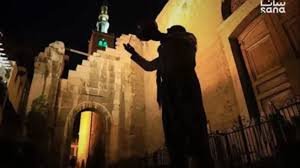
The Enduring Rhythm of Suhoor: The Mesaharaty of Damascus
In the historic city of Damascus, a unique tradition continues to resonate through the winding alleys each Ramadan: the call of the Mesaharaty. More than just a cultural artifact, the Mesaharaty embodies social cohesion, communal memory, and the enduring spirit of Syria. With each rhythmic tap of his drum, he awakens families for suhoor – the pre-dawn meal – and reinvigorates a sense of togetherness that transcends wealth and social status.
The Mesaharaty: A Harbinger of Dawn and Community
Clad in traditional black attire and a felt taqiya, the Mesaharaty roams the streets approximately two hours before dawn. His drumming isn’t merely an alarm clock; it’s a promise: “Suhoor has come… and goodness approaches.” This ancient ritual evokes memories of a time when community interaction flourished, fostering a strong sense of belonging.
A Historical Legacy of Social Equity
Historically, the Mesaharaty played a vital role in social equity. He wasn’t just waking people for suhoor; he was a conduit for compassion. By collecting food from wealthier households, he established a grassroots food-sharing network, ensuring that those less fortunate could also partake in the pre-dawn meal. This practice fostered relationships across socio-economic divides, reinforcing a sense of community and shared responsibility.
The Challenge of Modernity: Technology vs. Tradition
The advent of technology – smartphones and alarm apps – presented a significant challenge to the Mesaharaty’s role. As reliance on electronic devices grew, his importance diminished, transforming a revered position into a job dependent on wages. However, the Syrian conflict and frequent power outages unexpectedly breathed new life into the tradition. When technology failed, neighborhoods turned to the familiar and comforting rhythm of the Mesaharaty’s drum, symbolizing resilience and continuity in challenging times.
A Global Echo: The Mesaharaty in the Diaspora
The revival of the Mesaharaty isn’t confined to Syria. It resonates deeply within the Middle Eastern diaspora across the United States, the United Kingdom, Canada, and Australia. These communities, often grappling with maintaining their cultural identities, find in the Mesaharaty a powerful reminder of their shared heritage. His call serves as a nostalgic bridge, connecting global communities and fostering a collective journey toward cultural preservation. Al Jazeera highlights the importance of this cultural preservation.
The Future of the Mesaharaty: A Path Forward
Several developments could shape the future of this cherished tradition:
- Community Programs: Local governments and cultural organizations can implement programs to support the Mesaharaty, ensuring both economic viability and cultural continuity.
- Cross-Cultural Exchange: Increased global interest in Syrian traditions can inspire younger generations to engage with their heritage, fostering a renewed appreciation for traditional arts.
- Intergenerational Bonds: The Mesaharaty can catalyze meaningful connections between generations, sparking conversations about values and customs during Ramadan.
Ultimately, the Mesaharaty represents far more than waking people for suhoor. He is a living heartbeat within the vibrant tapestry of Syrian culture. As his drum echoes through the streets, it invokes memories, instills lessons of community, generosity, and resilience, and promises that this cherished heritage will endure and thrive.
Learn more about Ramadan traditions: Britannica – Ramadan