
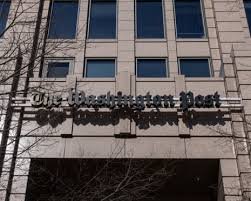
Federal Judge Questions Government Raid on Washington Post Reporter Hannah Natanson
A federal judge in Virginia voiced serious concerns on Friday regarding the government’s raid on Washington Post reporter Hannah Natanson’s home in January. Judge William B. Porter of the Eastern District of Virginia, while declining to issue an immediate ruling on the Post’s request for the return of seized devices, acknowledged the significant impact the seizure has had on Natanson’s career.
“Ms. Natanson has basically been deprived of her life’s work,” Judge Porter stated during the hearing. This case has raised alarms among First Amendment advocates and newsrooms nationwide, highlighting the potential chilling effect on journalistic freedom.
The Core of the Dispute
The dispute centers around a raid that yielded two laptops, a phone, and a Garmin watch belonging to Natanson. The government argues the materials are crucial to its investigation into Aurelio Perez-Lugones, a government contractor accused of possessing classified materials. However, the Post contends that the government’s possession of these devices severely hinders Natanson’s journalism and threatens the confidentiality of her sources.
Amy Jeffress, representing Natanson, emphasized the “significant harm” her client has suffered, both personally and professionally. She warned that the raid sets a dangerous precedent, potentially opening the door to unwarranted searches of reporters’ homes. “The shock of this unprecedented search has had lasting consequences,” Jeffress added.
Concerns Over Source Confidentiality
The Post’s legal team argued against allowing the government to independently review the seized materials, advocating for either the court or a neutral third party to oversee the process. Simon A. Latcovich, a lawyer for the Post, highlighted the risk to confidential sources, stating that over 1,200 sources are closely following the proceedings, fearing exposure. “The government commandeered the entirety of reporter Hannah Natanson’s professional life,” Latcovich explained.
Judge Questions Government’s Transparency
In a surprising turn, Judge Porter expressed frustration with the government’s legal team for failing to disclose the Privacy Protection Act – a law designed to protect journalists – when requesting the search warrant. He revealed he initially declined to sign the warrant and directly questioned the government’s reasoning for omitting this crucial information. “Did you not do it because you didn’t know, or because you decided not to tell me?” he asked.
Gabe Rottman of the Reporters Committee for Freedom of the Press described the omission as significant, stating, “The court was clearly frustrated by the government’s failure to disclose in the warrant application a federal law that is meant to severely restrict searches of journalists.”
Looking Ahead
While Judge Porter did not issue a ruling on Friday, he indicated he has a “pretty good sense of what [he’s] going to do here” and scheduled a follow-up hearing for March 4th. This case unfolds against a backdrop of challenges for the Washington Post, including recent layoffs and the resignation of its publisher, Will Lewis. The outcome of this case could have far-reaching implications for press freedom and the protection of journalistic sources. You can find more information about press freedom issues at Reporters Committee for Freedom of the Press.



