Earthquake California: Understanding the Risks and How to Stay Safe
Earthquake California: Understanding the Risks and How to Stay Safe
Living in the Golden State comes with breathtaking landscapes and a vibrant economy, but it also means living in one of the most seismically active regions in the world. Whether you are a lifelong resident or a newcomer, understanding the nature of an earthquake in California is not just a matter of curiosity—it is a matter of safety.
Why is California So Prone to Earthquakes?
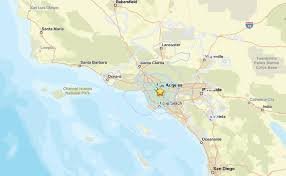
The primary reason for the frequent tremors in California is the complex system of fault lines, the most famous being the San Andreas Fault. This boundary between the Pacific Plate and the North American Plate is where immense pressure builds up over decades.
When this pressure is suddenly released, the result is seismic energy that manifests as an earthquake. While small tremors occur daily, the concern for many is “The Big One”—a hypothetical high-magnitude event that could significantly impact major cities like Los Angeles and San Francisco.
How to Stay Safe During an Earthquake
When the ground starts shaking, every second counts. Experts from the Federal Emergency Management Agency (FEMA) recommend a simple but effective three-step action plan:
- n
- DROP: Drop down onto your hands and knees. This position protects you from being knocked over and allows you to stay low to avoid flying objects.
- COVER: Take cover under a sturdy table or desk. If no shelter is nearby, cover your head and neck with your arms.
- HOLD ON: Hold on to your shelter until the shaking stops. Be prepared to move with your shelter if it shifts.
Essential Earthquake Preparedness Checklist
You cannot predict exactly when an earthquake in California will strike, but you can control how prepared you are. Here is a checklist of essentials for your emergency kit:
- Water: At least one gallon per person per day for several days.
- Food: Non-perishable items and a manual can opener.
- First Aid Kit: Bandages, antiseptic, and a supply of essential medications.
- Lighting: Flashlights with extra batteries (avoid candles due to gas leak risks).
- Communication: A battery-powered or hand-crank radio to receive official updates.
Where to Get Real-Time Information
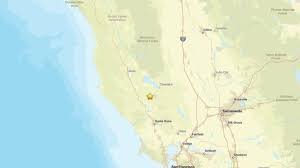
To stay informed about the latest seismic activity, the most reliable source is the United States Geological Survey (USGS). They provide real-time maps and magnitude reports for every tremor detected across the state.
Additionally, many Californians use the ShakeAlert system, which provides a few seconds of warning before the shaking begins, allowing people to take immediate cover and businesses to shut down critical machinery.
Final Thoughts
While the prospect of a major earthquake can be daunting, knowledge and preparation are the best tools for reducing anxiety and increasing survival rates. By securing your furniture, preparing your kit, and practicing safety drills, you can face the challenges of California’s seismic nature with confidence.
📰 You May Also Like