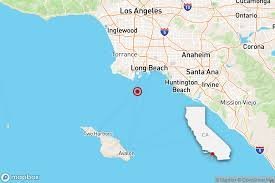
Earthquake Now: How to Track Real-Time Seismic Activity and Stay Safe
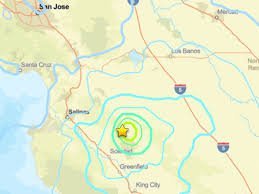
Earthquake Now: Your Guide to Real-Time Tracking and Emergency Safety
When the ground begins to shake, every second counts. Whether you are living in a high-risk seismic zone or are simply monitoring global activity, knowing where to find accurate information about an earthquake now can make all the difference in ensuring your safety and the safety of your loved ones.
How to Track Seismic Activity in Real-Time
In the digital age, you don’t have to wait for the evening news to find out if a tremor occurred. There are several high-authority tools available to track seismic events as they happen:
- n
- USGS Earthquake Map: The U.S. Geological Survey (USGS) is the gold standard for real-time data, providing precise magnitudes, depths, and epicenters globally.
- Google Earthquake Alerts: Android users can receive automated alerts through Google’s seismic detection system, which uses phone accelerometers to detect shaking.
- EMSC (European-Mediterranean Seismological Centre): A fantastic resource for real-time crowdsourced data and professional analysis for events outside the Americas.
Immediate Actions: What to Do During an Earthquake
If you feel an earthquake now, the most critical thing is to remain calm and follow the “Drop, Cover, and Hold On” protocol recommended by emergency experts:
- DROP down onto your hands and knees. This position protects you from being knocked over and allows you to stay low.
- COVER your head and neck with your arms. If a sturdy table or desk is nearby, crawl underneath it for shelter.
- HOLD ON to your shelter until the shaking stops. Be prepared to move with your shelter if it shifts.
Preparing for the Unexpected: A Quick Checklist
While we cannot predict exactly when the next quake will hit, preparation reduces panic. According to Ready.gov, every household should have a basic emergency kit. Ensure you have the following:
- Water and Non-perishable Food: At least a three-day supply.
- First Aid Kit: Including essential medications and bandages.
- Communication Plan: A designated meeting spot and a way to contact family members.
- Flashlight and Batteries: Power outages are common during seismic events.
Understanding the Data: Magnitude vs. Intensity
When searching for earthquake now updates, you will see two different types of measurements. It is important to understand the difference:
Magnitude measures the energy released at the source of the earthquake (the focus). It is a single number that describes the size of the event.
Intensity describes the strength of shaking produced by the earthquake at a certain location. This varies depending on your distance from the epicenter and the type of soil you are standing on.
Stay vigilant, stay informed, and always rely on official geological sources for the most accurate and up-to-date seismic information.
📰 You May Also Like