Breakthrough Pancreatic Cancer Drug: New Hope with Daraxonrasib
Breakthrough Pancreatic Cancer Drug: New Hope for Patients with Daraxonrasib
For decades, pancreatic cancer has been one of the most challenging diagnoses in oncology, often characterized by low survival rates and limited treatment options. However, a recent medical breakthrough is sending waves of optimism through the scientific community. Experts are hailing a new pancreatic cancer drug as the most significant leap forward in treatment in decades.
What is Daraxonrasib and How Does It Work?
The drug, known as Daraxonrasib, is a targeted inhibitor designed to tackle the specific genetic drivers of the disease. Unlike traditional chemotherapy, which attacks both healthy and cancerous cells, Daraxonrasib focuses on RAS mutations.
RAS mutations are found in the majority of pancreatic cancers and act as the “engine” driving tumour growth. By locking onto and shutting off these mutations, the drug effectively puts a brake on the cancer’s ability to spread and grow. This approach has led experts to describe the achievement as “drugging the undruggable.”
Promising Results from Early Clinical Trials
The results from early medical trials have been described as “incredibly exciting.” In a phase I/II trial involving 61 participants with advanced pancreatic cancer, the combination of Daraxonrasib and chemotherapy yielded impressive outcomes:
- n
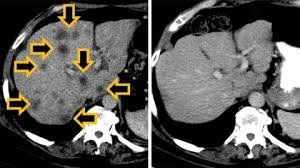
- Tumour Reduction: In approximately 1 out of 12 patients, cancer became completely undetectable on scans.
- Growth Inhibition: Tumours stopped growing in almost all participants, providing a critical window of disease control.
- Extended Stability: Dr. Wungki Park from the Memorial Sloan Kettering Cancer Center noted a near doubling in the duration of disease control, which could eventually translate into longer survival for patients.
A Leap Forward, Not Yet a Cure
While the data is encouraging, medical professionals are urging cautious optimism. Dr. Sam Godfrey from Cancer Research UK emphasizes that while this is a massive step forward, it should not be viewed as a definitive cure. The primary goal currently is to offer patients more quality time and to understand how long the drug can keep the disease at bay.
Longer studies are essential to determine if this treatment can lead to long-term remission. Because cancer can be elusive, doctors stress that a clear scan does not always mean a patient is entirely cancer-free; time and continued monitoring are the only true measures of success.
Potential Impact on Other Cancers
One of the most exciting aspects of this pancreatic cancer drug is its potential versatility. Similar RAS mutations are often found in other deadly malignancies, including lung and ovarian cancers. If the success seen in pancreatic trials can be replicated, Daraxonrasib could potentially save thousands of lives across multiple cancer types.
Summary of Pancreatic Cancer Impact
To understand the gravity of this breakthrough, it is important to look at the statistics. Pancreatic cancer accounts for roughly 3% of all cancers in the U.S. but is responsible for about 8% of all cancer deaths. With symptoms often appearing late—such as jaundice, unexplained weight loss, and extreme fatigue—early and effective intervention is critical.
As research continues, the medical world looks forward to larger trials that will refine the use of targeted inhibitors and move us closer to a future where pancreatic cancer is no longer a death sentence.
📰 You May Also Like