Flash Flood Watch: Everything You Need to Know to Protect Your Home and Family
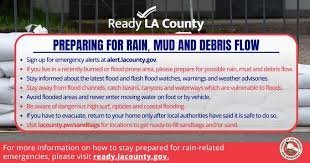
Flash Flood Watch: Everything You Need to Know to Protect Your Home and Family
When the weather turns volatile, seeing the words “Flash Flood Watch” on your phone or TV screen can be unsettling. But do you know exactly what it means and, more importantly, what you should do? Understanding these alerts can be the difference between a stressful afternoon and a life-saving decision.
What Exactly is a Flash Flood Watch?
A flash flood watch is an alert issued by weather authorities—such as the National Weather Service (NWS)—indicating that conditions are favorable for flash flooding to occur. It does not mean that flooding is happening right now, but rather that the ingredients (like heavy rainfall or rapid snowmelt) are present.
Think of a “Watch” as the preparation phase. It is a heads-up that you should stay vigilant and be ready to act quickly if conditions worsen.
Flash Flood Watch vs. Flash Flood Warning: What’s the Difference?
Many people confuse these two terms, but the distinction is critical for your safety:
- n
- Flash Flood Watch: Conditions are favorable. Be prepared. Stay tuned to weather updates.
- Flash Flood Warning: A flash flood is occurring or imminent. Take immediate action to move to higher ground.
Essential Safety Tips During a Flash Flood Watch
Since a watch is about preparedness, now is the time to take proactive steps. Here is a checklist to ensure you and your loved ones are safe:
1. Stay Informed
Keep a battery-powered weather radio handy or enable emergency alerts on your smartphone. Monitor local news and official social media channels for updates on the storm’s trajectory.
2. Prepare Your Emergency Kit
Ensure your go-bag is ready. It should include:
- n
- Bottled water and non-perishable snacks.
- A first-aid kit and essential medications.
- Flashlights and extra batteries.
- A portable power bank for your phone.
3. Secure Your Property
If you live in a flood-prone area, move valuable items, electronics, and important documents to the highest floor of your home. Clear your gutters and storm drains to ensure water can flow away from your foundation.
What to Do if the Watch Becomes a Warning
If the status upgrades to a Flash Flood Warning, stop preparing and start acting. Follow these golden rules:
- n
- Move to Higher Ground: Immediately leave low-lying areas or basements.
- Turn Around, Don’t Drown: Never attempt to drive or walk through floodwaters. As little as six inches of moving water can knock you off your feet, and two feet can sweep away most vehicles.
- Avoid Bridges: Water can erode bridge supports, making them collapse without warning.
Conclusion
While a flash flood watch may not always result in a disaster, treating it with respect and preparing in advance is the best way to ensure your safety. By staying informed and having a plan in place, you can protect your family and your property from the unpredictable nature of extreme weather.
For more detailed guidelines on emergency management, visit Ready.gov to build your personalized family emergency plan.
📰 You May Also Like