The Paradox of George Bush: Charm, Legacy, and the Question of Political Accountability
A Surprising Encounter: The Many Faces of George W. Bush
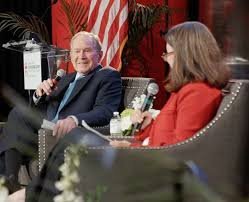
Earlier this week, the campus was buzzing with anticipation as former President George W. Bush arrived for the inaugural event of the Miller National Academy for Free Expression and Pluralism. For those expecting a stiff or formal political figure, the reality was a startling contrast. Bush appeared remarkably charming, witty, and unexpectedly funny, leaving the audience—including seasoned academics—frequently bursting into laughter.
Beyond the humor, he shared poignant reflections on several facets of his life, including:
- n
- The complexities and burdens of the US presidency.
- The deep influence of his parents on his worldview.
- His passion for art as a form of personal expression.
- His enduring sense of obligation toward the military.
n
n
n
n
Interestingly, he hinted at a growing ideological distance between himself and the current direction of his political party over the last two decades, though he maintained a tactful approach by avoiding naming specific individuals.
The “Elder Statesman” vs. The Historical Record
For those who didn’t witness the event, the description of Bush as a beloved “elder statesman” can be jarring. This perception stands in stark contrast to the consequential and often devastating decisions that defined his term in office. When analyzing the legacy of George W. Bush, it is impossible to ignore the shadows of the past.
Critical points of contention include:
- n
- The Iraq War: A prolonged conflict initiated based on false claims regarding weapons of mass destruction, which burdened the US and the region for over a decade.
- Hurricane Katrina: The widely criticized management of disaster relief efforts, which left thousands in peril.
- The Great Recession: Leaving office during an economic collapse where the US was losing approximately 700,000 jobs per month.
n
n
n
By the end of his presidency, his approval ratings had plummeted into the 20s, reflecting a nation deeply divided and disillusioned by his policy decisions.
The Great Debate: Is There Long-Term Accountability?
The ease with which Bush has transitioned into a respected public figure raises a provocative question: Is there any genuine long-term accountability for high-ranking politicians?
In most professions, failures of this magnitude—resulting in massive loss of life or economic ruin—would lead to severe professional or legal consequences. However, in the realm of the political sphere, accountability is often spotty and inconsistent.
Recent history only reinforces this trend. From presidents facing felony convictions yet returning to power, to Supreme Court rulings granting broad immunity for official actions, the barrier between “political error” and “legal accountability” seems increasingly blurred.
Final Thoughts
The case of George W. Bush is unique. While his personal charisma may win over a room in the present, the historical record remains a permanent ledger of his decisions. Whether we view him as a flawed leader or a symbol of political impunity, his trajectory reminds us that in politics, the path from disgrace to “elder statesman” is surprisingly short.
📰 You May Also Like