The Evolution of Tucker Carlson: Redefining Independent Political Media
The Evolution of Tucker Carlson: Redefining Independent Political Media
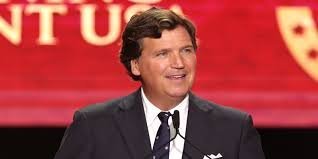
In the rapidly shifting landscape of global information, few figures have sparked as much debate and attention as Tucker Carlson. Once a staple of mainstream cable news, Carlson has pivoted toward a digital-first approach, signaling a broader trend in how political discourse is consumed and distributed in the 21st century.
From Cable News to Digital Independence
For years, Tucker Carlson was one of the most-watched hosts on television, utilizing the reach of major networks to challenge prevailing narratives. However, his transition away from traditional corporate media has not diminished his influence; rather, it has amplified it. By leveraging platforms like X (formerly Twitter), Carlson has bypassed traditional gatekeepers to speak directly to millions of followers.
This shift highlights a critical moment in the history of journalism: the rise of the “independent creator” in the political sphere. No longer reliant on a network executive’s approval, Carlson’s current model emphasizes direct engagement and unfiltered commentary.
Why the ‘Tucker Carlson Phenomenon’ Matters
The success of Carlson’s independent venture provides several insights into the current state of media consumption:
- n
- The Demand for Unfiltered Content: A growing segment of the audience feels alienated by mainstream media and seeks alternative perspectives.
- The Power of Social Algorithms: The ability to go viral on digital platforms has replaced the need for prime-time television slots.
- The Debate Over Free Speech: Carlson has become a focal point in discussions regarding censorship and the boundaries of political expression in the digital age.
The Impact on Modern Political Discourse
Whether one agrees with his viewpoints or not, the impact of Tucker Carlson on the political ecosystem is undeniable. His approach forces a conversation about the objectivity of news and the role of personality-driven commentary in shaping public opinion. For those studying global news trends, Carlson serves as a primary case study in the decentralization of media power.
Looking Ahead: The Future of Commentary
As we move forward, the “Carlson model” of independent broadcasting is likely to be emulated by other political figures across the spectrum. The transition from the studio to the smartphone represents more than just a change in medium; it represents a shift in power from the institution to the individual.
In a world where information is instantaneous, the ability to build a loyal, direct-to-consumer audience is the ultimate currency. Tucker Carlson has not only navigated this transition but has helped define the blueprint for the next generation of political commentators.
📰 You May Also Like