Russian Shadow Fleet and Energy Warfare: How Moscow is Fortifying Its Power Grid
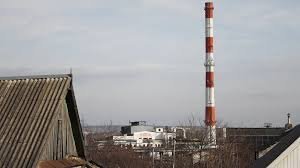
The Strategic Shield: Russia’s Push to Protect Energy Infrastructure
As the conflict in Eastern Europe intensifies, the energy sector has become a primary battlefield. While much of the global conversation focuses on the Russian shadow fleet and its role in bypassing oil sanctions to fund the war machine, Moscow is simultaneously turning its attention inward to secure its own power grids against increasing drone incursions.
Recent directives from Russian authorities have mandated energy companies in regions bordering Ukraine and within occupied territories to drastically increase their stockpiles of critical equipment. This move is a direct response to the rising threat of precision drone strikes targeting electrical hubs.
Tripling Reserves: A Race Against Infrastructure Failure
To mitigate the risk of prolonged blackouts, energy firms have already tripled their reserves of essential components. The focus is primarily on:
- n
- High-voltage transformers: Critical for stepping up voltage for long-distance transmission.
- Circuit breakers: Essential for preventing catastrophic grid failure during surges or attacks.
- Emergency repair gear: Specialized equipment designed for rapid restoration in combat zones.
This aggressive stockpiling suggests that the Kremlin anticipates a sustained campaign of infrastructure attrition, necessitating a level of readiness not seen since the height of the Cold War.
Massive Federal Drills and Budgetary Allocations
Beyond hardware, Russia is investing heavily in human capital and coordination. The Ministry of Energy, along with Rostekhnadzor and the Ministry of Emergency Situations, recently concluded large-scale federal drills. The scale of these operations was immense, involving:
- Over 154,000 specialists.
- More than 23,000 response crews.
- 60 pieces of heavy-duty specialized equipment.
Financial backing is also scaling up. According to Svetlana Razvorotneva of the State Duma, the federal budget could allocate up to 20 billion rubles by 2027 for the rapid restoration of damaged energy assets. However, vulnerabilities remain; specifically, boiler houses still lack adequate protection, which may necessitate the deployment of mobile power plants if these facilities are hit.
The Humanitarian Toll and the Refusal of Peace
While Russia fortifies its own grid, the situation for Ukrainian civilians remains dire. Ukrainian President Volodymyr Zelenskyy previously proposed a mutual ceasefire regarding strikes on energy facilities to prevent a winter humanitarian catastrophe. However, the Kremlin, via spokesperson Dmitry Peskov, rejected the offer, stating a preference for “peace, not a ceasefire.”
The international community has reacted with alarm. An independent UN commission of inquiry has stated that Russia is committing crimes against humanity by deliberately targeting Ukraine’s energy system, aiming to deprive the population of essential resources during the freezing winter months.
Conclusion: A Winter of Energy Attrition
As we move into the 2025–2026 heating season, the energy war shows no signs of slowing. From the clandestine operations of the Russian shadow fleet fueling the economy to the massive fortification of power grids, the strategic objective is clear: resilience at any cost. For the millions in Kyiv, Kharkiv, and Odesa, the struggle for electricity and warmth remains a daily battle for survival.
📰 You May Also Like