Is the World Ready? The Alarming Surge of the Ebola Virus and the Call for Global Action
The Warning Signs: Why the Current Ebola Virus Outbreak is Unprecedented
The global community is once again facing a critical health crossroads. Dr. Jean Kaseya, Director General of the Africa Centres for Disease Control and Prevention (CDC), has issued a stark warning: the current spread of the ebola virus is reaching an unprecedented scale, mirroring the early, deceptive stages of the COVID-19 pandemic.
With cases climbing toward 10,000 and deaths nearly reaching 5,000, the situation has escalated beyond a localized crisis. For the first time, three different African regions are being affected, signaling a geographic extension that health officials describe as “unprecedented.”
The Bundibugyo Strain: A Deadlier Challenge
This specific outbreak, the 17th recorded in the Democratic Republic of the Congo (DRC), is driven by the Bundibugyo virus. This strain has proven to be the deadliest and largest in the country’s history. Unlike some previous outbreaks, the Bundibugyo virus currently has no approved treatment, though vaccine trials are underway with results expected in the coming months.
How it spreads: The ebola virus is highly contagious and often fatal. It is transmitted through direct contact with:
- Blood or vomit of infected individuals.
- Contaminated surfaces.
- Contact with deceased bodies during funeral rites.
From Africa to the World: The Risk of Global Hotspots
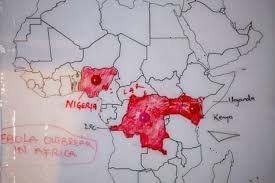
While the brunt of the crisis is currently concentrated in Africa, Dr. Kaseya warns that no continent is safe. The virus has already shown its ability to travel; after devastating the DRC, cases have been confirmed in Kenya, Uganda, and Nigeria. Notably, France has already confirmed a case involving a doctor returning from the DRC.
“We shouldn’t forget that at the beginning of Covid, many countries said there was zero risk of being affected, but a few months later, they became the hotspot,” warned Dr. Kaseya.
The fear is that if preparedness levels are not increased globally, countries like the UK and others could quickly become new epicenters of the disease.
The Barriers to Containment: Conflict and Funding
Stopping the ebola virus requires more than just medical expertise; it requires stability and resources. Currently, the response is being crippled by several critical factors:
- Financial Shortfalls: While $3 billion was pledged, over $2 billion remains outstanding. This lack of liquidity prevents the purchase of essential protective equipment.
- Labor Unrest: Unpaid wages for health workers have led to strikes, leaving vulnerable populations without care.
- Insecurity: In the Ituri province, active conflict prevents health workers from reaching those in need. Dr. Kaseya is calling for a “corridor of peace” to ensure medical aid can bypass political and military strife.
- Misinformation: Deep-seated mistrust of officials and the spread of false information continue to hinder vaccination and screening efforts.
The Path Forward: A Global Responsibility
The Africa CDC is urging governments to implement rigorous screening and testing at all points of entry and exit. However, the primary message is one of urgency: funding the response now is a fraction of the cost of managing a global pandemic. Failing to act could lead to losses in the trillions of dollars and millions of lives.
For more information on how to recognize symptoms and prevent the spread of viral hemorrhagic fevers, visit the World Health Organization (WHO) or the Centers for Disease Control and Prevention (CDC).
📰 You May Also Like