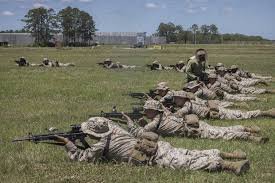

In an era defined by rapid technological leaps and shifting geopolitical landscapes, the concept of the ejército—the army or land defense force—is undergoing its most profound transformation in decades. From autonomous systems to advanced cyber defense capabilities, ground forces around the world are fundamentally redesigning how they train, deploy, and protect national sovereignty.
The Evolution of Modern Land Forces
Historically, the strength of an armed force was measured primarily by troop numbers and sheer firepower. Today, while readiness and personnel remain foundational, strategic superiority is increasingly dictated by connectivity, intelligence integration, and agility. Modern ground operations require seamless synchronization between land, air, sea, cyber, and space domains.
According to strategic insights from the U.S. Department of Defense, future defense strategies heavily prioritize multi-domain operations. This shift ensures ground units can operate alongside unmanned platforms and secure real-time operational awareness even in contested environments.
Core Pillars Modernizing Today’s Ejército
Military leadership across the globe is investing heavily in next-generation capabilities. Key drivers reshaping ground defense include:
- Artificial Intelligence and Autonomous Systems: AI-assisted decision-making tools and robotic reconnaissance vehicles are minimizing risk to human personnel while accelerating response times.
- Enhanced Soldier Systems: Next-generation protective gear, augmented reality tactical displays, and advanced communications systems empower soldiers with unprecedented situational awareness.
- Cyber and Electronic Warfare: Modern ground conflicts are often fought on electromagnetic and digital spectrums long before conventional forces meet, making hardened networks a vital defense priority.
- Sustainable Logistics: Supply chain resilience, hybrid-electric tactical vehicles, and rapid field manufacturing are transforming military logistical sustainability.
Strategic Partnerships and Global Cooperation
No modern military force operates in total isolation. International security organizations and bilateral defense agreements remain vital to maintaining stability. Organizations such as NATO emphasize standardizing communication protocols, joint readiness drills, and interoperability across allied member nations.
These collaborative defense agreements ensure that whether responding to humanitarian crises, peacekeeping missions, or deterring regional conflicts, partner forces can coordinate effectively and rapidly deploy resources where they are needed most.
Looking Ahead: The Future of Defense Readiness
As nations adapt to emerging security challenges, investment in research, personnel well-being, and ethical technological integration will define the future of the armed forces. The continuous evolution of the modern ejército underscores a global commitment not only to defense readiness, but also to maintaining peace and stability in an increasingly complex world.