A high-stakes international controversy has escalated in West Africa after judicial police in Guinea-Bissau executed a targeted search on the offices of the Bandim Health Project. Authorities confiscated batches of hepatitis B immunizations connected to a disputed clinical trial—a study led by researchers whom Health and Human Services (HHS) leader Robert F. Kennedy Jr. (RFK Jr) has famously championed as groundbreaking pioneers.
Police Raid and the Missing Vaccines
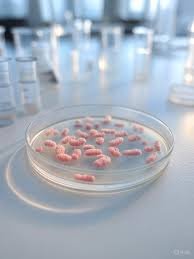
According to an official statement by Guinea-Bissau authorities, law enforcement launched investigative operations to inspect and secure a specific supply of vaccines. While officials clarified that the seizure was not prompted by defects in the vaccine’s manufacturing, safety, or quality, the raid brings heightened scrutiny to a research protocol funded by millions in foreign grants—including approximately $1.6 million originally linked to the Centers for Disease Control and Prevention (CDC), complemented by philanthropic foundations.
The operation follows intensifying friction between Guinea-Bissau’s public health authorities and the long-standing research institution over the clinical testing of newborns.
The Ethical Backlash: Withholding Vaccines from Newborns
At the epicenter of the dispute is a research study designed to evaluate child health outcomes. Despite revisions, critics warn that the trial framework would withhold the vital birth-dose of the hepatitis B vaccine from approximately 7,000 newborns during their initial six weeks of life.
In Guinea-Bissau, hepatitis B represents an acute public health crisis:
- Nearly one in five adults in the country carries chronic hepatitis B.
- Without early intervention, infected infants face a 15% to 25% lifetime risk of fatal liver cirrhosis or liver cancer.
- Medical consensus confirms that receiving a dose within 24 hours of birth provides critical, life-saving protection.
The study provoked sharp condemnation from the World Health Organization (WHO). Tarik Jašarević, a spokesperson for the agency, emphasized that depriving neonates of established standards of care is categorically unethical and exposes infants to severe, irreversible medical consequences.
“Denying the birth-dose vaccine exposes vulnerable newborns to preventable lifelong illness. Universal early vaccination remains an essential public health intervention.”
The RFK Jr Connection: ‘Deities of Vaccine Research’
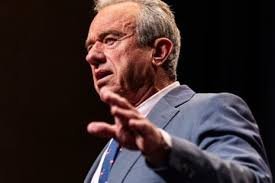
The controversy surrounding the Bandim Health Project resonates strongly in Washington due to the prominent endorsement of its founders, anthropologist Peter Aaby and epidemiologist Christine Stabell Benn, by RFK Jr. Over the years, Kennedy has spotlighted their work, calling them the “deities of vaccine research” during health freedom gatherings and high-profile podcast appearances.
Key points linking the researchers to US policy debates include:
- Challenging Universal Recommendations: Stabell Benn was involved with the CDC’s Advisory Committee on Immunization Practices (ACIP) working groups, where questions were raised regarding the universal infant schedule for hepatitis B.
- Funding Repercussions: Kennedy cited Aaby’s observational studies when advocating against US contributions to global immunization initiatives, such as Gavi, the Vaccine Alliance.
- Non-Specific Effects Debate: The researchers have long claimed that traditional childhood vaccines produce complex, unmeasured systemic impacts—theories that have frequently been challenged or refuted by wider epidemiological reviews.
A Fragile Healthcare Infrastructure
While the Bandim Health Project has maintained a presence in Guinea-Bissau since 1978, independent watchdogs argue that decades of research have done little to bolster the host nation’s primary healthcare systems. Watchdog organizations, such as Stand Up for Science, highlight growing domestic unease over clinical trials conducted in regions where local populations lack basic alternative care.
Guinea-Bissau’s transitional health minister, Quinhin Nantote, firmly rejected suggestions that the study was proceeding unchecked, stating that reports of unconditional approval do not reflect the administration’s official stance. As local prosecutors examine the trial’s legal and ethical parameters, the unfolding developments place the spotlight squarely on global research ethics and the high-profile figures who endorse them.