
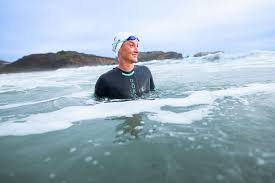
Dive Into Health: The Ultimate Guide to the Benefits of Swimming
Whether you are looking to lose weight, reduce stress, or improve your cardiovascular health, swimming is one of the most complete exercises you can incorporate into your routine. Unlike many high-impact sports, swimming offers a unique combination of strength and endurance while being gentle on your joints.
Why Swimming is the Perfect Full-Body Workout
Swimming engages almost every major muscle group in your body. From your core and back to your arms and legs, the resistance of the water ensures that every movement is a workout. Here are some of the primary advantages:
- n
- Low Impact: Because water provides buoyancy, it minimizes stress on your joints, making it an ideal choice for people with injuries or arthritis.
- Cardiovascular Strength: Regular swimming improves heart health and lung capacity, reducing the risk of heart disease.
- Weight Management: Depending on the intensity, swimming can burn a significant amount of calories, helping you maintain a healthy weight.
- Mental Well-being: The rhythmic nature of swimming and the feeling of being in water are known to reduce anxiety and promote a meditative state.
According to health experts at the Mayo Clinic, aquatic exercises are highly effective for improving overall fitness without the wear and tear associated with running or weightlifting.
Mastering the Four Main Swimming Strokes
To get the most out of your time in the pool, it is helpful to vary your strokes. Each style targets different muscle groups and offers distinct challenges:
1. Freestyle (Front Crawl)
The most popular and fastest stroke. It is excellent for endurance and burning calories, primarily targeting the shoulders, arms, and core.
2. Breaststroke
A slower, more relaxed stroke that is great for beginners. It focuses heavily on leg strength and chest expansion.
3. Backstroke
Ideal for those who struggle with breathing during other strokes since your face remains above water. It is fantastic for improving posture and strengthening the upper back.
4. Butterfly
The most demanding stroke. It requires significant strength and coordination, making it the ultimate challenge for advanced swimmers looking to build power.
Essential Tips for Beginners
Starting a swimming routine can be intimidating, but with the right approach, you’ll be gliding through the water in no time. Follow these simple tips:
- Invest in Quality Gear: A comfortable pair of goggles and a well-fitting swim cap can make a huge difference in your experience.
- Focus on Breathing: The key to swimming longer distances is mastering your breath. Practice exhaling fully underwater before taking a quick breath of air.
- Start Slowly: Don’t try to swim a mile on your first day. Begin with short laps and gradually increase your distance and intensity.
- Consistency is Key: Try to hit the pool at least three times a week to see noticeable improvements in your stamina and technique.
For those looking to optimize their performance, checking out guides on Healthline can provide further insights into aquatic nutrition and recovery.
Final Thoughts
Swimming is more than just a sport; it’s a lifestyle choice that promotes longevity, strength, and mental clarity. Whether you’re diving into a local pool or enjoying the ocean, the water is waiting for you. Are you ready to take the plunge?