The GBU-43/B MOAB: Everything You Need to Know About the Mother of All Bombs
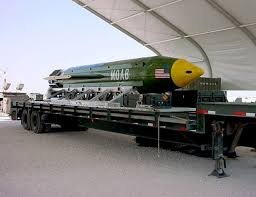
Understanding the GBU-43/B MOAB: The Pinnacle of Conventional Explosives
In the realm of military aviation and strategic ordnance, few names carry as much weight as the GBU-43/B Massive Ordnance Bomb, more commonly known as the MOAB or the “Mother of All Bombs.” This weapon represents the absolute limit of conventional, non-nuclear explosive power, designed for high-impact results in specific tactical scenarios.
What Exactly is the GBU-43/B MOAB?
The GBU-43/B is a GPS-guided, thermobaric weapon developed by the United States. Unlike traditional bombs that rely on a solid explosive core, the MOAB uses a fuel-air explosive mechanism. This allows it to create a massive pressure wave and intense heat, making it devastatingly effective against reinforced structures, cave complexes, and tunnel systems.
For those interested in the technical specifications of modern weaponry, the MOAB is a marvel of engineering, though its application is strictly limited to high-priority strategic targets.
Key Technical Specifications
- Type: Thermobaric / Fuel-Air Explosive.
- Guidance: GPS-guided for extreme precision.
- Primary Use: Destruction of underground bunkers and tunnels.
- Payload: Massive conventional explosive yield without nuclear fallout.
How the “Mother of All Bombs” Works
The effectiveness of the GBU-43/B MOAB lies in its two-stage detonation process. First, a small charge disperses a cloud of highly flammable fuel into the surrounding air. Almost instantly, a second charge ignites this cloud, creating a massive fireball and a devastating shockwave that sucks the oxygen out of the immediate environment.
This characteristic makes it far more effective than standard bombs when attacking enclosed spaces, as the fuel cloud can flow into crevices and tunnels before detonating, leaving nowhere for the target to hide.
Strategic Impact and Controversies
The deployment of the MOAB is rare and usually reserved for scenarios where conventional strikes are insufficient. While it provides a powerful alternative to nuclear weapons, its sheer scale of destruction often sparks debates regarding proportionality and the impact on surrounding infrastructure.
To understand more about the evolution of air power, you can explore the official resources of the U.S. Air Force, which manages the deployment of such advanced hardware.
Conclusion: A Tool of Last Resort
The GBU-43/B MOAB remains one of the most potent conventional weapons in existence. By combining GPS precision with thermobaric power, it serves as a critical tool for military forces dealing with fortified subterranean threats. While it is a symbol of overwhelming force, its strategic value lies in its ability to achieve objectives that would otherwise require nuclear intervention.
📰 You May Also Like